Sourced fact
The News
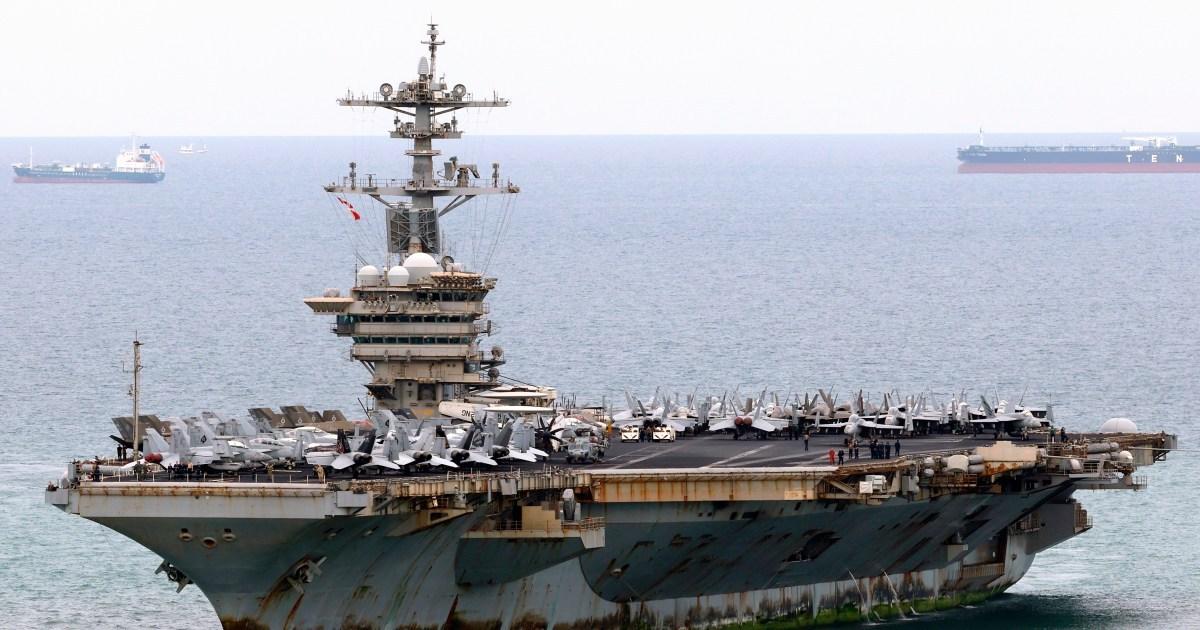
The United States announced the dispatch of a third aircraft carrier to the region surrounding Iran, according to military sources quoted by Al Jazeera. Sources indicate that the aircraft carrier Theodore Roosevelt and its strike group left the port of San Diego on Sunday, followed by the Marine Expeditionary Unit Kearsarge carrying over 2,000 Marines. By the end of November, it is expected that three aircraft carriers and two amphibious assault units will be in the ocean surrounding Iran.
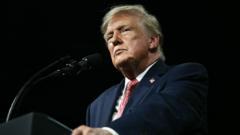
A U.S. military official told Al Jazeera that these moves provide President Donald Trump with broader military options should he decide to take military action. Tanya Goudarzi, Al Jazeera’s correspondent in Washington, noted that these forces include thousands of soldiers and F-35 aircraft, in addition to the approximately 50,000 U.S. troops currently in the region.
Additionally, the United States continues to exert economic pressure on Iran, imposing new sanctions on Iranian railway and automotive sectors. According to the U.S. Treasury Department, these measures aim to dry up Iran’s remaining resources. However, sources within the Pentagon and the White House indicated that the United States does not plan to withdraw any forces even if an agreement is reached with Iran.
Meanwhile, Iran announced a seven-day plan that includes reopening the Strait of Hormuz and resuming nuclear negotiations in exchange for lifting sanctions and a ceasefire in the region. President Trump, however, rejected this plan, stating that U.S. sanctions are part of broader international sanctions, not limited to the United States alone. Iranian Foreign Minister Abbas Araqchi stated that Tehran is ready for war but has come to New York to negotiate for peace.
In this context, analysts see these conflicting signals from both sides as aiming to achieve strategic gains. Abarz Aslani from the Middle East Strategic Studies Center noted that the dispute has shifted from discussing whether to negotiate to who will give up their main pressure tools first. Meanwhile, President Trump faces difficulties in balancing delaying any concessions until the next congressional elections with the political cost of making concessions similar to those made in June.
Analysis & context
Analysis & Context
Analytically, this military maneuver reflects an increase in tensions between the United States and Iran. This military presence aims to maintain military options available to President Trump, even if an agreement is reached with Iran. Additionally, this move also reflects internal political tensions in the United States, as Trump seeks to balance meeting military and economic demands on one hand, and maintaining his popularity on the other.
In a broader context, nuclear talks between Iran and the world’s major powers continue to face significant challenges. Iran offers a peace plan that includes reopening the Strait of Hormuz and resuming nuclear talks in exchange for lifting sanctions and ending the U.S. maritime blockade, but this plan was rejected by President Trump. This tension reflects the challenges Iran faces in dealing with U.S. sanctions and their impact on the Iranian economy.
On the other hand, the United States continues to impose economic sanctions on Iran, increasing the pressure on it. This economic and military tension reflects the challenges faced by the United States and Iran in achieving stability in the region and resolving conflicts through peaceful means.