Sourced fact
The News
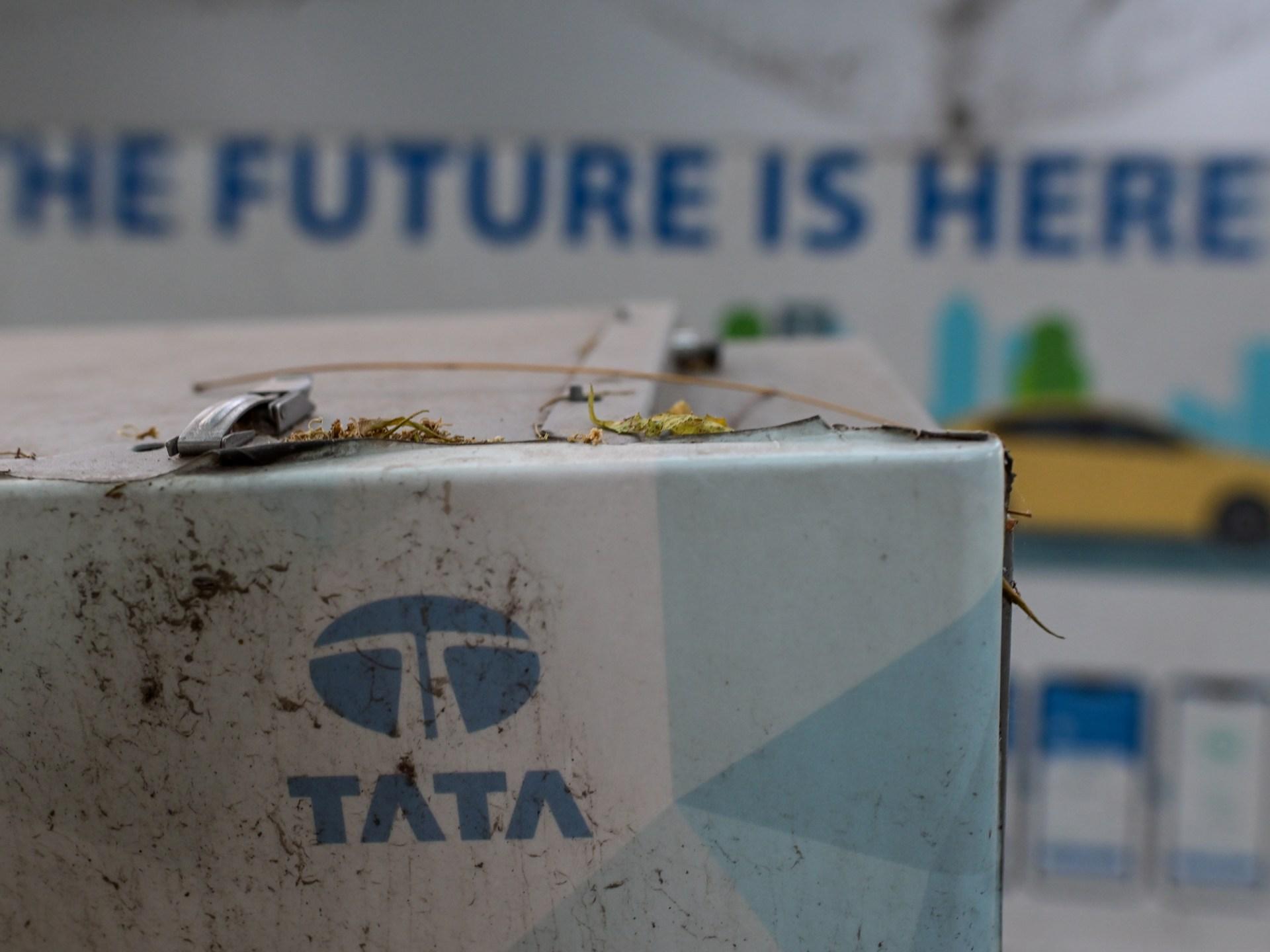
An unprecedented conflict has erupted at the helm of one of India's largest economic conglomerates between the Board of Directors of Tata Sons and the Family Trusteeship body that controls it, sparking widespread debate over the group's future.
Last week, the Tata Sons Board extended the term of Chairman N. Chandrasekharan and declared its intention to study listing the company on a public stock exchange, thereby contravening the wishes of the charitable family entity that has controlled the 158-year-old Tata Group.
The extension of Chandrasekharan's term and the potential IPO form the core of this family dispute, which is not limited to its impact on the group's headquarters in Mumbai but extends to global markets as well.
The market value of the listed companies within the Tata Group stands at $277 billion, affecting more than 17.7 million retail shareholders, along with pension funds and insurance companies, according to InGovern advisory firm.
A spokesperson for the group stated that the conflict officially began on September 17 when Chandrasekharan was reappointed as Chairman by a vote of 4 against 1 for Trustee body nominee Noel Tata, leading to an imminent court ruling.
Noel Tata, who is the head of the Trusteeship body and the brother of the late Ratan Tata who passed away in 2024, described the reappointment of his partner as "abusive" under company laws, noting that other candidates voted in favor of the appointment while only Noel opposed it.
The Trusteeship body is demanding the sale of a portion of its shareholding in Shapoorji Pallonji Group, which holds an 18.4% stake in Tata Sons, for a value estimated at $2.61 billion, a move opposed by the group's main partner who supports the company's public listing.
Noel Tata explained that listing the company would alter its character and harm the national service principles upon which the group was built since its founding over a century ago, while economists argue that the law should apply to everyone without exceptions.
Analysis & context
Analysis & Context
From an analytical perspective, this dispute represents a radical transformation in the unique ownership structure of the Tata Group, which has persisted for more than a century and a half. Historically, the company operated as a private entity serving national interests, insulated from pure commercial market pressures. The late Chairman Ratan Tata played the role of a bridge between the two sides before his death in 2024, leading to gradual fissures emerging between the Board and the Tata Trusts fund, which owns 66% of the parent company's shares.
In the broader context, this conflict reflects growing tensions between maintaining the group's historical corporate identity and the financial transparency requirements imposed by the Reserve Bank of India on large companies with significant assets. It raises a fundamental question about the future of the hybrid model combining private ownership with public interest, and whether this model can continue under modern market laws.
The decision to convert the company into a public entity poses a significant challenge to the charitable values upon which the group is based. Proponents of the conversion argue that it is necessary to ensure legal equality for all, while opponents contend that it would undermine the national service spirit that defined the group since its mid-19th-century beginnings.