Sourced fact
The News
American news channels CNN, MS NOW, and Politico plan to file a lawsuit against the Donald Trump administration following their ban from entering the White House. This move aims to protect First Amendment rights and defend the principle of press independence. This announcement came after the US president accused these outlets of reporting "fake news" and falsifying media coverage of his government, leading him to previously describe the media as "the enemy of the American people."
The three channels stated in a statement released on Monday that they have notified the government of their intent to file the lawsuit today to protect their constitutional rights and prevent the government from determining what the press publishes. The statement added that revoking the press credentials of journalists from these channels without notice or legal procedure threatens press freedom and the public's right to access independent, government-free media.
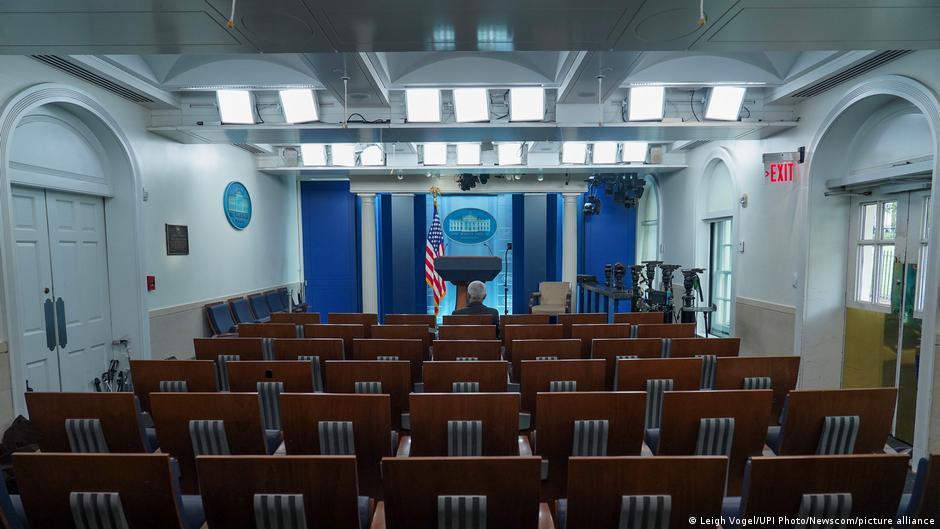
This media ban represents another escalation in the long-standing conflict between Trump and several American media institutions, where coverage of the White House television pool comprising five major networks including ABC, CBS, Fox News, NBC, and CNN was suspended. Brian Fuchs, Director of Fox News's Washington office and head of the current coverage team, announced the cessation of coverage, confirming that there is no replacement for the dedicated team due to the White House's stance on banning CNN from performing its duties.
In response to this situation, the major networks declared their resolve not to provide any alternative coverage team, making this step a factual form of collective boycott of the administrative decision. The channels emphasized in a joint statement that the public has a vital interest in obtaining accurate and independent information about its government, and that no administration should restrict a news organization merely because it disagrees with its news content.
Analysis & context
Analysis & Context
From an analytical perspective, this ban and the suspension of joint coverage represent a serious escalation in the long-standing conflict between President Trump and traditional American media outlets. These tensions date back to 2017 when Trump launched his famous description of the press as "the enemy of the American people," and these linguistic and political attacks continued throughout his first term, creating an environment of mutual distrust between the executive branch and the media elite.
In the broader context, this dispute highlights the perennial tension in presidential systems regarding the limits of a president's authority to impose indirect or discriminatory censorship against the media. The plaintiffs argue that the US Constitution does not allow any government official to deprive the press of its constitutional rights and property without notice or legal procedures, especially when the cause is merely disapproval of news report content.
Suspending CNN's network access and banning it from the "coverage pool" is a unique event in White House history, as it is the first time the joint working mechanism relying on cost-sharing for filming and rotating coverage organization among major networks has been suspended. This collective decision by ABC, CBS, Fox News, NBC, and CNN reflects a converging stance of refusing to participate in any arrangements that may harm press independence or pave the way for government censorship, making it a significant legal and media precedent.
Finally, this situation highlights the important role American media plays in monitoring power and maintaining constitutional balance, where the ban issue has transformed into a symbolic matter regarding the public's right to access diverse and non-biased information from the government, making it an issue worthy of widespread legal and political attention.