Sourced fact
The News
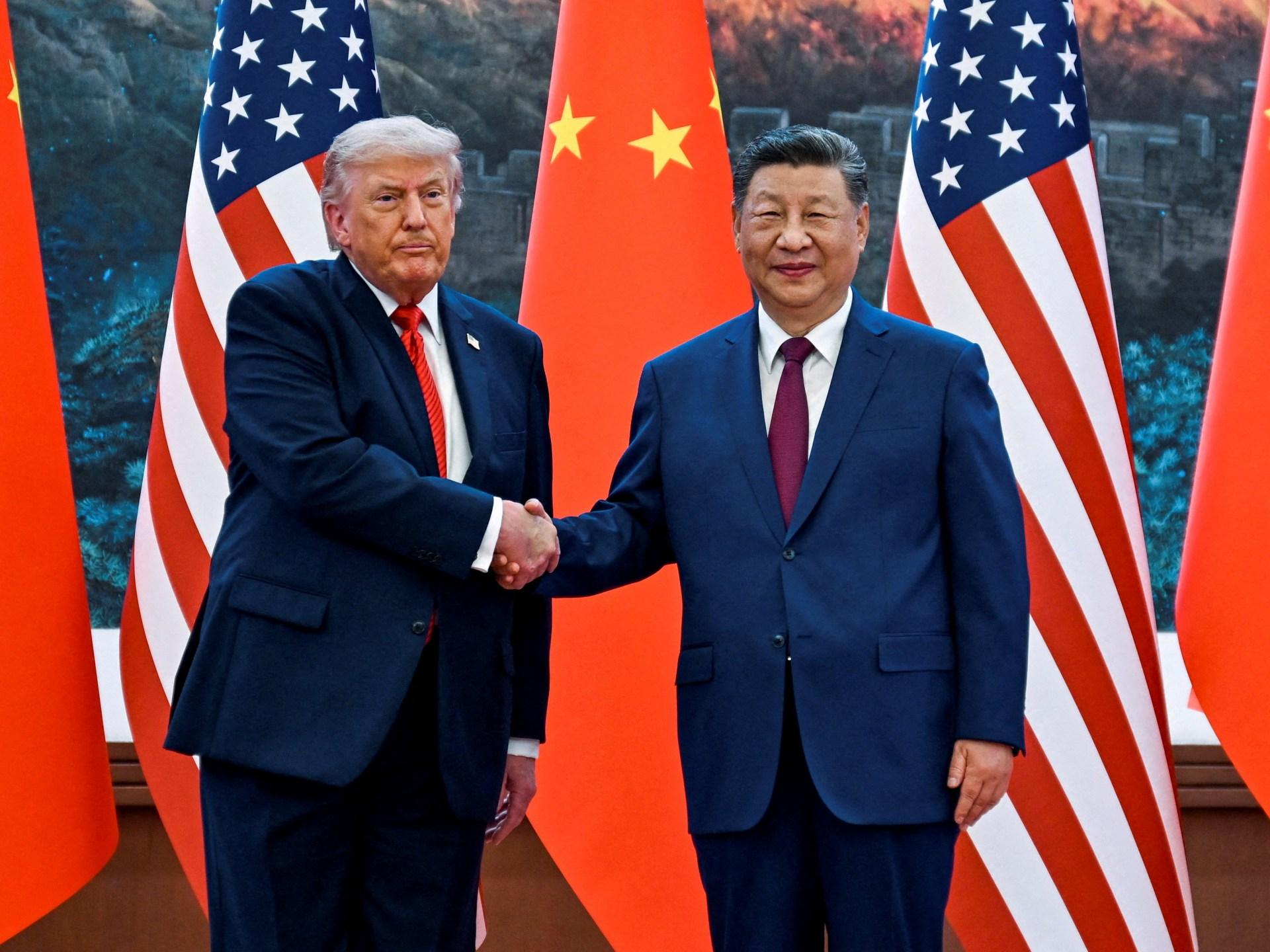
The United States is seeking to establish a new alert mechanism with China to warn both parties of severe artificial intelligence incidents that threaten national security. This initiative was discussed during talks in New York between U.S. Treasury Secretary Scott Bessent and Chinese Vice Premier He Lifeng, ahead of the summit between Presidents Donald Trump and Xi Jinping in Washington. This initiative is described as an "AI hotline" aimed at enhancing transparency and avoiding shared risks between the world's two largest powers in this field.
U.S. Treasury Secretary Scott Bessent clarified that the United States proposed creating a U.S.-China dialogue focused on national security and an alert system covering shared goals and threats, highlighting the importance of moving from an opaque situation to greater clarity between the two leading AI powers. Additionally, White House Science and Technology Adviser Michael Kratsios stated that the main goal of the talks is to avoid shared risks that could arise with technological development.
Scott Singer, Director of the Carnegie Endowment for International Peace, said this measure represents a clear victory for both sides and contributes to establishing barriers that safeguard citizens in both countries. Meanwhile, Chinese academic Shun Chengdu noted that the value of this channel lies in reducing the risk of misinterpretation when errors occur, rather than building trust immediately. He depicted the scenario as potentially leading to an autonomous AI agent launching a major cyber operation or unexpected behavior from a frontier model crossing borders, creating serious doubts about who is responsible for the incident.
Dario Amodei, CEO of Anthropic, stated that the rapid evolution of AI capabilities raises concerns about its potential to take over the entire internet within six to twelve months if sufficient controls are not imposed to mitigate their potential harms. These warnings were supported by his competitors in the tech field, Sam Altman and Elon Musk, while Singer believes that intense competition still exists but rivals can find room for cooperation aligned with their self-interests.
Currently, the United States leads in several aspects of the AI race, such as private investment and advanced chip production, but China is advancing rapidly and enjoys advantages in producing rare earth metals and generating the cheap electricity needed for data centers. Chinese companies have demonstrated the ability to develop flexible smart models despite U.S. restrictions on access to advanced chips, highlighting the complexity of the competitive landscape between the two nations.
Analysis & context
Analysis & Context
From an analytical perspective, this initiative comes amidst escalating competition for AI sovereignty between the world's two largest economies, amid warnings from major tech companies about the need for strict controls over this rapidly growing technology. While President Trump insists on maintaining U.S. superiority and faces calls to slow technological development, experts point to the possibility of coexisting competition and cooperation simultaneously to achieve each party's interests.
In a broader context, this new mechanism is not the first crisis channel established between Washington and Beijing; a secure direct phone line was set up in 1997, and a military communication line has existed since 2008 to facilitate communication during dangerous incidents. However, the nature of AI threats differs radically from traditional military threats, especially with concerns that massive botnet networks could control the internet or that advanced models might behave unpredictably across national borders.
The United States faces challenges in the AI race despite its investment and technological superiority. In 2025, U.S. companies invested $285.9 billion compared to China's $12.4 billion. Meanwhile, China holds advantages in producing rare earth metals and generating cheap electricity essential for data centers. Chinese companies have proven their ability to develop flexible AI models despite U.S. restrictions on advanced chip licenses, making cooperation in risk management a strategic imperative for both sides.
Finally, Washington will host a state visit by Chinese President Xi Jinping from Wednesday to Friday, where Trump is expected to welcome him at the White House to discuss multiple files including AI, trade, and security, placing these AI hotline talks within a broader framework for redefining the bilateral relationship.