Sourced fact
The News
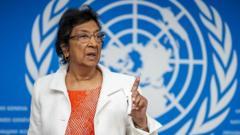
Navi Pillay, former judge at the International Criminal Court (ICC) and former UN human rights ambassador, has won this year's Nobel Peace Prize. Pillay expressed strong disapproval of the U.S. reaction to her award, as Washington announced comprehensive sanctions against the ICC. Pillay described the sanctions as "unprecedented and unacceptable," pointing to the tension and anxiety surrounding the future of the ICC.
U.S. Secretary of State Marco Rubio explained that the sanctions aim to protect U.S. sovereignty, accusing the ICC of seeking to prosecute Americans. The sanctions include a financial transaction ban between the U.S. and the ICC, aiming to restrict its operational capacity. However, the U.S. administration announced a six-month grace period before the sanctions take effect, allowing member states to continue funding the court's operations.
UN Secretary-General Antonio Guterres expressed deep concern over the U.S. decision, describing it as a "severe blow to international criminal justice." The UK joined European nations in condemning the sanctions, expressing a clear rejection of this move. These tensions arise in the context of the ICC's ongoing investigations into U.S. military activities in Afghanistan, leading to arrest warrants issued against Israeli officials.
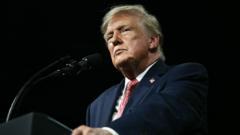
It is worth noting that Pillay, at 85 years old, has significantly contributed to human rights defense over decades, including her work in South Africa, Rwanda, Myanmar, and Gaza. Despite U.S. President Donald Trump's displeasure with Pillay's award, she emphasized the importance of the ICC in advancing international law and global peace.
Analysis & context
Analysis & Context
Analytically, the U.S. sanctions against the ICC represent an unprecedented step in the history of international relations. These sanctions pose a significant challenge to the international legal system and the ICC's independence in carrying out its work. In a broader context, this move reflects growing tensions between the U.S. and international institutions, particularly those dealing with legal and rights issues. Additionally, it underscores the U.S. stance on the necessity of protecting national sovereignty, even at the expense of the international legal system.