Sourced fact
The News
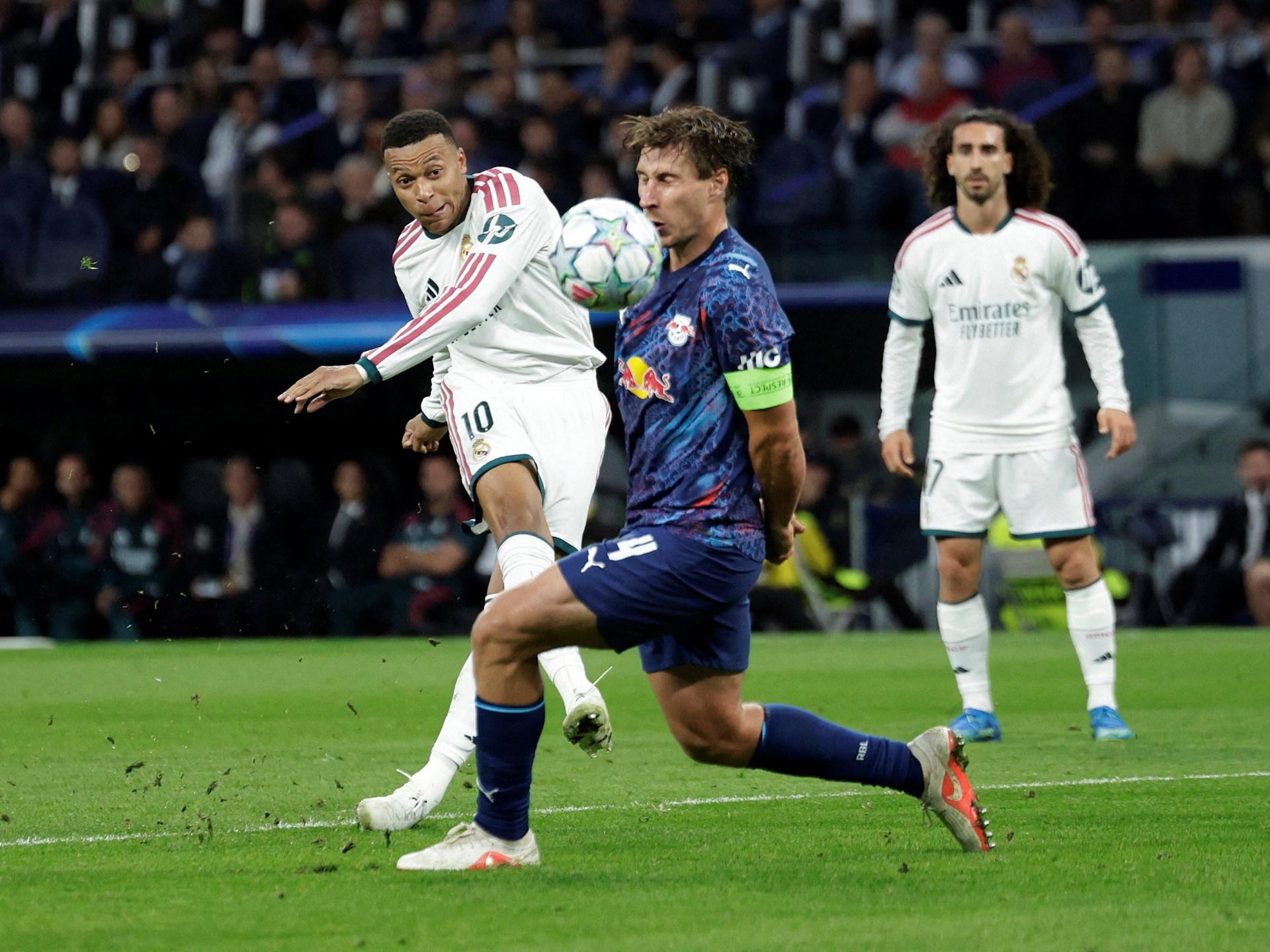
Kilian Mbappé, the global football star, expressed regret for his unconsidered comments about the late Chinese leader Mao Zedong, leading to the termination of several Chinese brand deals. In an interview with a French TV program, Mbappé pointed to a video of a person he believed to be a Chinese leader, without explicitly naming Mao. In a formal statement, Mbappé clarified that he "regrets hurting the feelings of many people in China and in Chinese communities around the world."
His remarks sparked significant outrage in China, where the Chinese Communist Party honors Mao despite his tumultuous rule that led to the deaths of millions. Companies such as Mengniu and Dongpeng announced non-tolerance policies for actions that offend Chinese sentiment. CCTV also announced it would no longer air Spanish league matches, indicating the substantial impact of the incident on commercial and sporting relations between China and France.
The issue of Mao is extremely sensitive in China, with the Chinese Communist Party regarding its history and role in establishing the People's Republic of China as non-negotiable. The Chinese Foreign Ministry spokesperson, Wang Wenbin, expressed concern over comments that offend Chinese sentiment in a statement.
In a previous interview with France Football, Mbappé noted that some jokes about him might reflect a lack of political and humanitarian awareness. While acknowledging that some of these jokes may be light-hearted, he sees a less humorous side when it comes to individuals who caused significant harm in history. This case raises questions about how to handle cultural and political humor across borders, especially amid political and cultural tensions between China and the West.
Analysis & context
Analysis & Context
Analytically, the topic of Mao Zedong in China is extremely sensitive. As the BBC News reported, Mao established the People's Republic of China in 1949 and dominated its politics during tumultuous decades in the 1960s and 1970s. Despite his rule witnessing violent periods and poverty, the Chinese Communist Party still celebrates most of his achievements and respects them.
In a broader context, the strong reactions to Mbappé's comments reflect ongoing tensions between freedom of expression and cultural and political values in China. The case also shows how athletes can have significant impacts on political and cultural relations between nations, particularly when it comes to sensitive topics like China’s modern history.
It is also worth noting that Mbappé is not the first athlete to face strong backlash for comments about China's history. In the past, many athletes and celebrities have faced severe criticism for comments on sensitive historical issues, highlighting the importance of understanding local cultures when engaging with a global audience.