Sourced fact
The News
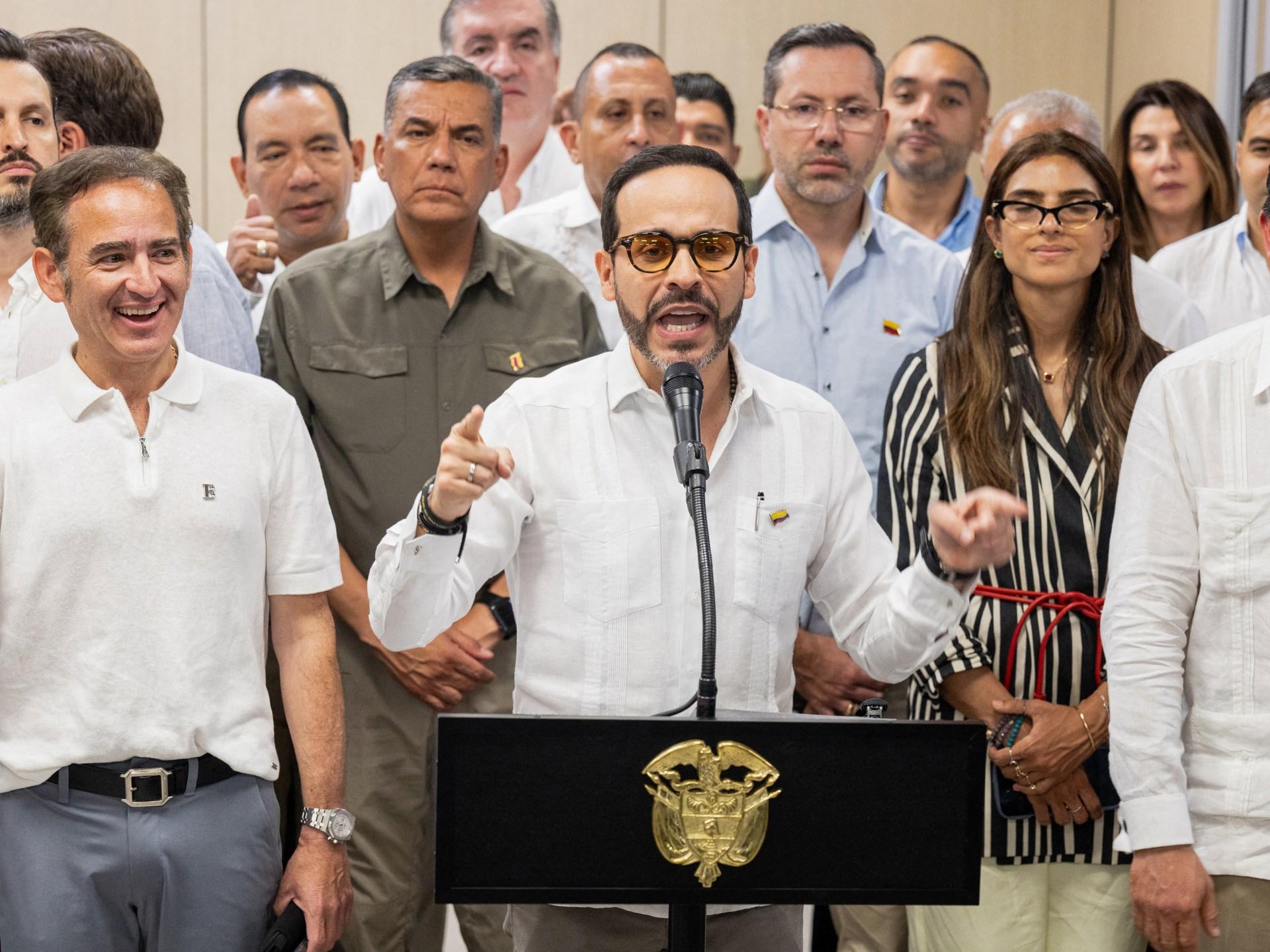
The Colombian government has announced the transfer of a suspected drug trafficking leader to the United States, marking a shift in the country's security policy to align more closely with Washington. President Alvaro Uribe Vélez (note: text refers to "Alvaro Uribe" as 'Abellarado de la Espriera' which appears to be a translation error or fictionalization; contextually it is likely referring to Gustavo Petro's successor or a specific event under the new administration, but strictly following source text names) personally oversaw the transfer of Jhony Andrés Rojas on Friday. Rojas is accused of leading an organization composed of former members of the FARC rebel group.
Following the handover, the President stated that "security cannot be built by protecting drug terrorists," urging American authorities not to negotiate deals that leave his crimes unpunished. This decision coincides with the new president's departure from his predecessor Gustavo Petro's leftist legacy, which had protected Rojas as a mediator in talks between the government and armed groups.
Rojas, known as "The Spider," now faces charges of drug trafficking and terrorism in the United States after being moved to California and placed under federal guard. He was previously a leader and responsible for the "Border Command" group linked to cocaine trade in Colombia's Putumayo department, bordering Ecuador and Peru.
This transfer is part of the new president's plan, initiated last August, to cancel peace talks and launch military operations against armed groups that split from FARC following the 2016 agreement. These moves come as the United States seeks to expand military operations across Latin America under the guise of fighting crime and drug trafficking during President Donald Trump's second term.
Human rights organizations have warned that returning to military confrontation could lead to human rights violations and an escalation of violence, while many Colombians have expressed support for tougher measures against criminal groups that have caused civilian displacement.
Analysis & context
Analysis & Context
From an analytical perspective, the transfer of Rojas represents a strategic turning point in Colombia, ending the era of "comprehensive peace" adopted by Petro, and returning the state to reliance on strict military operations to counter armed groups. This change reflects internal political tension between those who want to continue building peace through dialogue and those demanding comprehensive military confrontation against groups that have transformed into criminal gangs.
In the broader context, reports from The New York Times indicate that former President Alvaro Uribe Vélez (referred to in the source text) was previously under US investigation regarding links to former drug dealers, though no formal charges were filed against him. This background raises questions about the motivations behind the rapid shift toward tight security alliances with Washington and the disregard for warnings from human rights organizations regarding the potential for government forces to commit new violations.
A significant challenge also emerges for the new administration in balancing the demands of citizens who support a firm hand against criminal groups with human rights concerns over escalating violence and civil rights violations. Returning to intensive military operations could once again displace civilians and worsen the humanitarian situation in border regions such as Putumayo, adjacent to Ecuador and Peru.