Sourced fact
The News
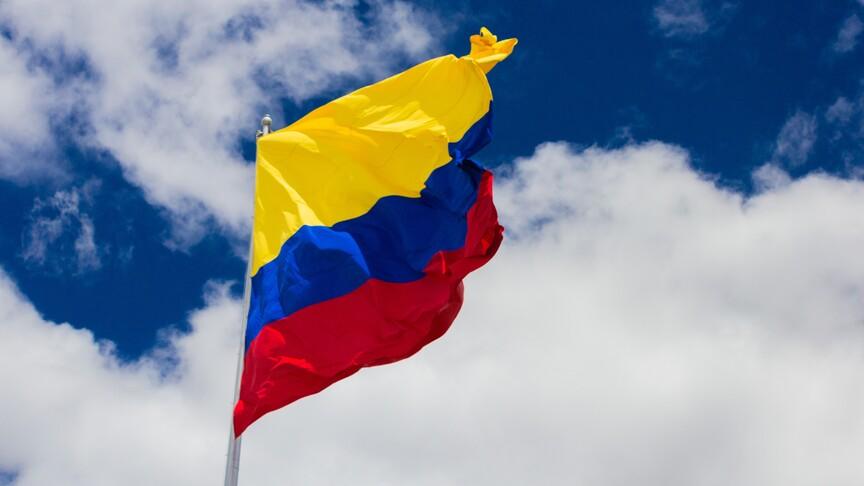
The Colombian Ministry of Foreign Affairs officially announced on Thursday the severing of diplomatic relations with Iran, stating that the decision will take effect as of September 19. This declaration came in response to concerns regarding national security and hemisphere safety, alongside alleged threats from international terrorist groups and drug traffickers.
In an official statement, the ministry emphasized that this step aligns with Colombia's foreign policy priorities, which focus on combating cross-border crime and protecting national security. The ministry also clarified that the Colombian government has taken into account documented human rights violations and confirmed attacks against countries not involved in the Middle East conflict.
The ministry added that the blockade of the Strait of Hormuz and Iran's obstruction of IAEA efforts to verify its nuclear program contributed to a deterioration in trust between the two nations. These facts collectively constitute a primary reason for Colombia's decision to end diplomatic relations with the Islamic Republic of Iran.
This move comes as part of President Gabriel Borja's new administration reshaping alliances since taking office in August. The new administration has accelerated efforts to restore Colombia's relations with Israel, marking a significant shift from the strong stance taken by his predecessor, Gustavo Petro, regarding the Gaza genocide issue.
Analysis & context
Analysis & Context
From an analytical perspective, Colombia's decision to sever ties with Iran represents a bold move reflecting a shift in regional and international power balances in Latin America. This decision highlights a trend among Latin American countries toward adopting stricter positions on global security issues that directly or indirectly affect their interests.
In a broader context, this event is part of an international realignment where countries like Colombia are pursuing independent foreign policies that distance themselves from traditional alignments. The shift in President Gabriel Borja's stance toward Israel and Iran also indicates new strategies in managing the external relations of developing nations.
Furthermore, cross-border security issues such as international terrorism and organized crime emerge as key drivers of foreign policy decisions. Focusing on protecting national security and economic interests makes these factors a top priority in shaping modern diplomatic decisions.
Finally, Colombia's decision reflects a move toward strengthening regional cooperation with other countries such as Israel, which may open new avenues for economic and security collaboration in the region. This shift indicates that the global geopolitical landscape is dynamic, with countries making independent decisions based on evolving national priorities.