Sourced fact
The News
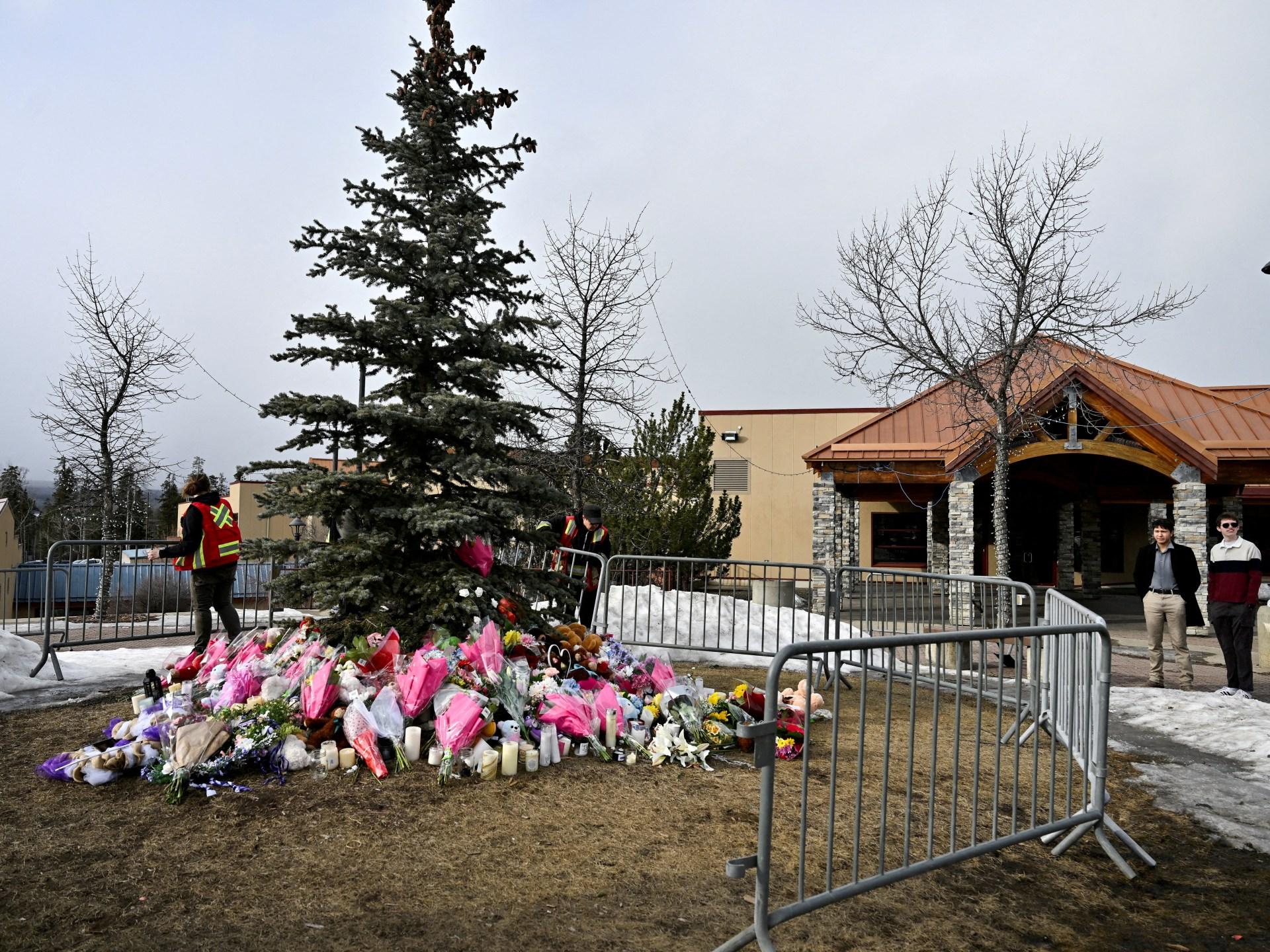
The province of British Columbia filed a lawsuit against American company OpenAI and its CEO, Sam Altman, accusing them of withholding warnings from law enforcement prior to a deadly school shooting in the Timberline Ridge area. Filed in a federal court in San Francisco, the suit seeks financial compensation to cover emergency response costs and community rebuilding, while also demanding that the company restructure its mechanisms for monitoring dangerous conversations.
British Columbia's Minister of Justice, Nicky Sharma, stated that this step represents a bridge toward achieving justice for families, students, and teachers whose lives were forever changed by the attack that claimed eight victims on February 10, 2026. She added that the case raises serious questions about the responsibilities of technology companies when they become aware of real violence threats, emphasizing the urgent need for strong national safeguards for artificial intelligence tools.
The prosecution noted that the shooter had warned ChatGPT's safety team about their discussions regarding armed violence before the attack, but the company did not notify police despite clear red flags. Altman posted a message in April expressing deep regret for failing to contact law enforcement, yet he failed to follow through on his promises of reform despite attempts by the province's prosecution office to reach out to him.
This lawsuit comes after more than 30 lawsuits were filed in the same court by victims' families and other survivors who blame OpenAI for negligence and failure to intervene or alert authorities.
Analysis & context
Analysis & Context
From an analytical perspective, this case highlights a major legal and ethical turning point regarding the responsibility of large technology companies toward human lives when their algorithms predict violent incidents. The central question is whether withholding information to protect user privacy conflicts with the duty to protect society from direct threats, especially in light of the rapid advancement of generative artificial intelligence.
In the broader context, this Canadian lawsuit was part of a wider legal wave involving more than 30 suits filed by victims' families and others before the same federal court in California, reflecting widespread public outrage and a shift toward holding technology companies accountable for their failure to intervene when clear signs of imminent danger were present.
OpenAI's stance, as reflected in Sam Altman's April response expressing "deep regret" for the company's failure to contact police, followed by a lack of actual reforms despite attempts by the province's legal team to engage with him, reveals a significant gap between publicly declared ethical commitments and actual operational practices within these companies.
This legal dispute opens the door to new discussions about national and international legislation that could impose mandatory reporting standards for artificial intelligence platforms, potentially fundamentally changing how these platforms operate and interact with sensitive user data.