Sourced fact
The News
The Qatari Ministry of Foreign Affairs reaffirms that Doha will continue to push diplomatic efforts to end global crises, ranging from the Great Lakes region in Africa to the Gulf, according to Al Jazeera Net. Majid Al-Ansari, spokesperson for the ministry, stated that Qatar plays the role of a historic mediator that brings conflicting parties together and builds trust among them to reach fair solutions based on international law.
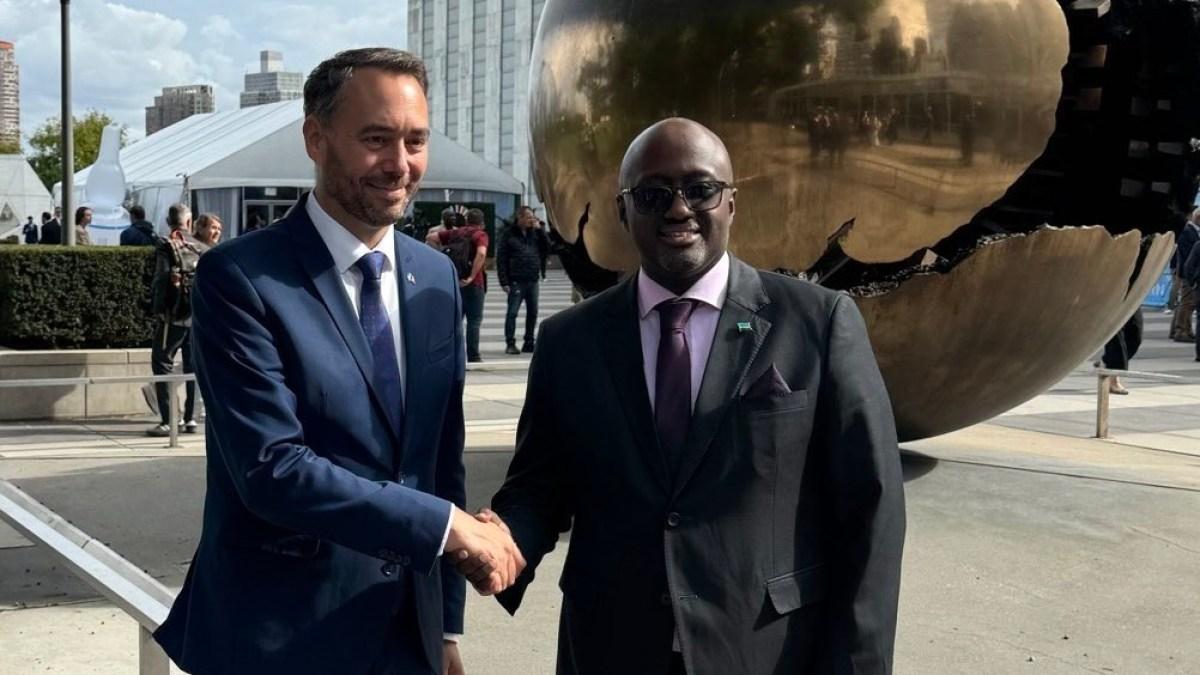
Al-Ansari clarified that Doha hosted the first round of negotiations between Belgium and Rwanda in June 2025 after their relations had been suspended for a year and a half due to the conflict in the eastern Democratic Republic of Congo. He noted that this round marked a turning point leading to greater diplomatic rapprochement, as officials praised the direct dialogue that has not occurred between the foreign ministers of both countries for a long time.
In another context, Al-Ansari said there is tangible progress in negotiations to end the US-Israeli war on Iran despite the difficulties faced by previous rounds. He emphasized that diplomacy is the only way to resolve conflicts and that failure must not be allowed in this vital path, which requires maintaining open lines of communication among all parties.
Also, the Qatari Foreign Minister met with his Iranian counterpart to discuss reducing tensions in the Gulf and setting the stage for dialogue, while US President Donald Trump met with Qatar's leaders on Tuesday during the UN General Assembly in New York. Al-Ansari reported that Qatari leaders informed Trump that the repercussions of the war on Iran and the conflicts in Gaza and the occupied West Bank are intensifying globally and require urgent solutions.
He also noted that Qatar is working with Pakistan, Oman, and other Gulf Cooperation Council countries toward a diplomatic solution; the faster such outcomes are achieved, the less their impact will be on the world.
Analysis & context
Analysis & Context
From an analytical perspective, this development demonstrates Qatar's continued strategy as a neutral and trusted mediator in the international arena, where Doha relies on providing a safe platform for conflicting parties away from narrow geopolitical blocs. The success of the mediation between Belgium and Rwanda reflects Doha's ability to convert historical trust into tangible results in complex files such as the conflict in the Democratic Republic of Congo.
In a broader context, Qatar's role as a soft-power diplomatic actor seeking to resolve conflicts through dialogue rather than military escalation stands out, aligning with Emir Tamim bin Hamad Al Thani's address at the UN General Assembly. This approach indicates that Doha views internationally law-backed diplomatic solutions as the only way to ensure regional and global stability.
Qatar's interest in easing tensions between Iran and Israel, along with its continued engagement with GCC countries, Pakistan, and Oman, reflects a comprehensive strategy aimed at preventing crises from escalating and affecting the entire world. This orientation confirms that Qatari diplomacy is not merely reactive to emergencies but is part of a long-term strategic vision.
Finally, the timing of these talks during the UN General Assembly in New York highlights the importance of international coordination and conflict resolution within an interconnected and complex global agenda.