Sourced fact
The News
A high court in Sri Lanka has issued final sentences to 15 accused individuals for the devastating Easter Day attacks of 2019, with prison terms ranging between 200 and 260 years. According to the Daily Mirror, the sentences were distributed such that Muhammad Ibrahim Muhammad Nafeer, known as Navar Moulavi, received a 220-year sentence, while four other defendants received the same duration.
In the distribution details, four groups of defendants received 240-year prison terms, while five others were sentenced to 200 years. One defendant was given the harshest penalty of 260 years, representing the maximum term in these rulings. In addition to imprisonment, the court ordered the confiscation of all assets and properties belonging to the 15 accused as part of their punishment.
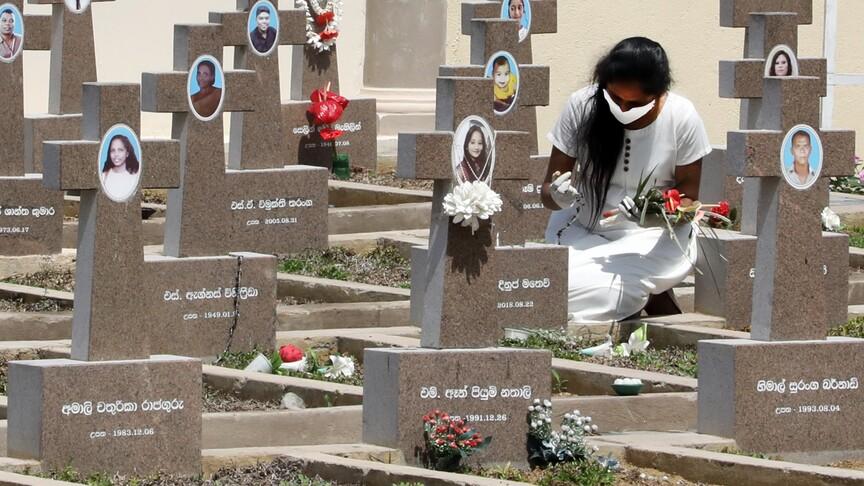
These verdicts were delivered before a three-judge public trial bench consisting of Nawarathne Marasinghe, Ramathan Kanthan, and Sugiyawa Nishchanaka, marking the official conclusion of the trials related to these horrific attacks. Reports indicate that the attacks involved eight explosions targeting various locations inside and outside Colombo on April 21, 2019, which was Easter Sunday.
The court confirms that the number of victims in these attacks reached at least 250 people, making this final judgment a significant turning point in justice achieved for the victims and their families after years of waiting and complex, lengthy trials.
Analysis & context
Analysis & Context
From an analytical perspective, this concluding verdict represents an immediate closure to a trial that spanned many years, reflecting Sri Lanka's political and judicial will to move forward with the terrorism case that shook the nation. Imposing extremely long prison sentences such as 260 years indicates the state's desire for severe deterrence and prevention of future similar attacks.
In the broader context, the 2019 Easter Day attacks were among the deadliest terrorist incidents targeting churches and airports in Sri Lanka, leading to significant changes in internal security and border policies within the country. These events marked a historic turning point that affected social and economic stability on the island and shifted government priorities toward combating extremism afterward.
The decision to confiscate the funds of all accused is an important legal step aimed at preventing any financial benefit from terrorist operations, aligning with international standards for countering terrorist financing. This measure enhances the state's ability to track criminal networks and prevent the rebuilding of operational structures by these extremist groups.
Finally, the announcement of the end of these trials gives the Sri Lankan society a sense of closure and justice, although healing from such human catastrophes requires a long time and continuous community effort to rebuild trust and security.