Sourced fact
The News
A high court in Colombo, Sri Lanka, convicted 15 men on Tuesday of involvement in the deadly 2019 Easter attacks, sentencing them to between 200 and 260 years in prison. According to Deutsche Welle, the court found 14 of the defendants guilty on all charges, which include murder, conspiracy to commit terrorism, and possession of weapons and explosives, while the fifteenth was convicted on some charges only.
The attacks took place on April 21, 2019, when suicide bombers targeted three churches and luxury hotels, killing 279 people and injuring 574 others, making it one of the worst incidents in the country's history. The court also ordered the confiscation of the defendants' money and property, while nine other individuals were acquitted and are now allowed to appeal the verdict before the Supreme Court.
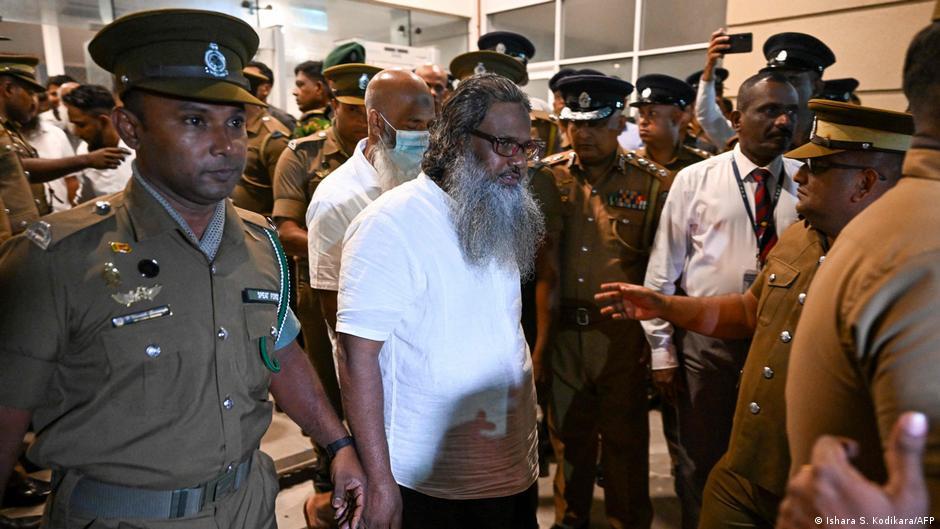
The 15 defendants were part of a total of 25 members of Sri Lanka's Muslim minority community accused of providing support for the bombers, including Ibrahim Muhammad Nawaf Mohamed, whom the prosecution described as the alleged leader of the attacks and who was sentenced to 240 years in prison with hard labor. The trial lasted nearly five years before authorities filed 23,000 charges in 2021, while one of the defendants died in custody before the trial began.
In a related development, separate investigations are underway into allegations of links between Sri Lankan state elements and those involved in the bombings. Former head of intelligence Suraj Sali was arrested on charges of planning the attacks, which he strongly denies. A parliamentary committee previously found that police and intelligence agencies ignored foreign intelligence warnings, and death sentences were handed down to former officials in July for their absence from duty despite prior warnings.
Analysis & context
Analysis & Context
From an analytical perspective, this verdict represents a major turning point in Sri Lanka's transitional justice process after years of long and complex trials. The trial lasted nearly five years, during which Sri Lankan authorities filed 23,000 charges against 25 suspects in 2021, reflecting the legal and political complexity of the case.
In a broader context, these judgments come amid independent investigations into allegations of links between elements of the Sri Lankan state and the groups responsible for the attacks. Former head of intelligence Suraj Sali was arrested on charges of planning the attacks, which he strongly denies, while a parliamentary committee found that police and intelligence agencies ignored foreign intelligence warnings.
It is worth noting that a previous trial in July led to the death sentencing of a former judge and defense official for failing to act despite prior intelligence warnings. This highlights widespread debate over the state's role in its security failure that led to this tragic humanitarian disaster.