Sourced fact
The News
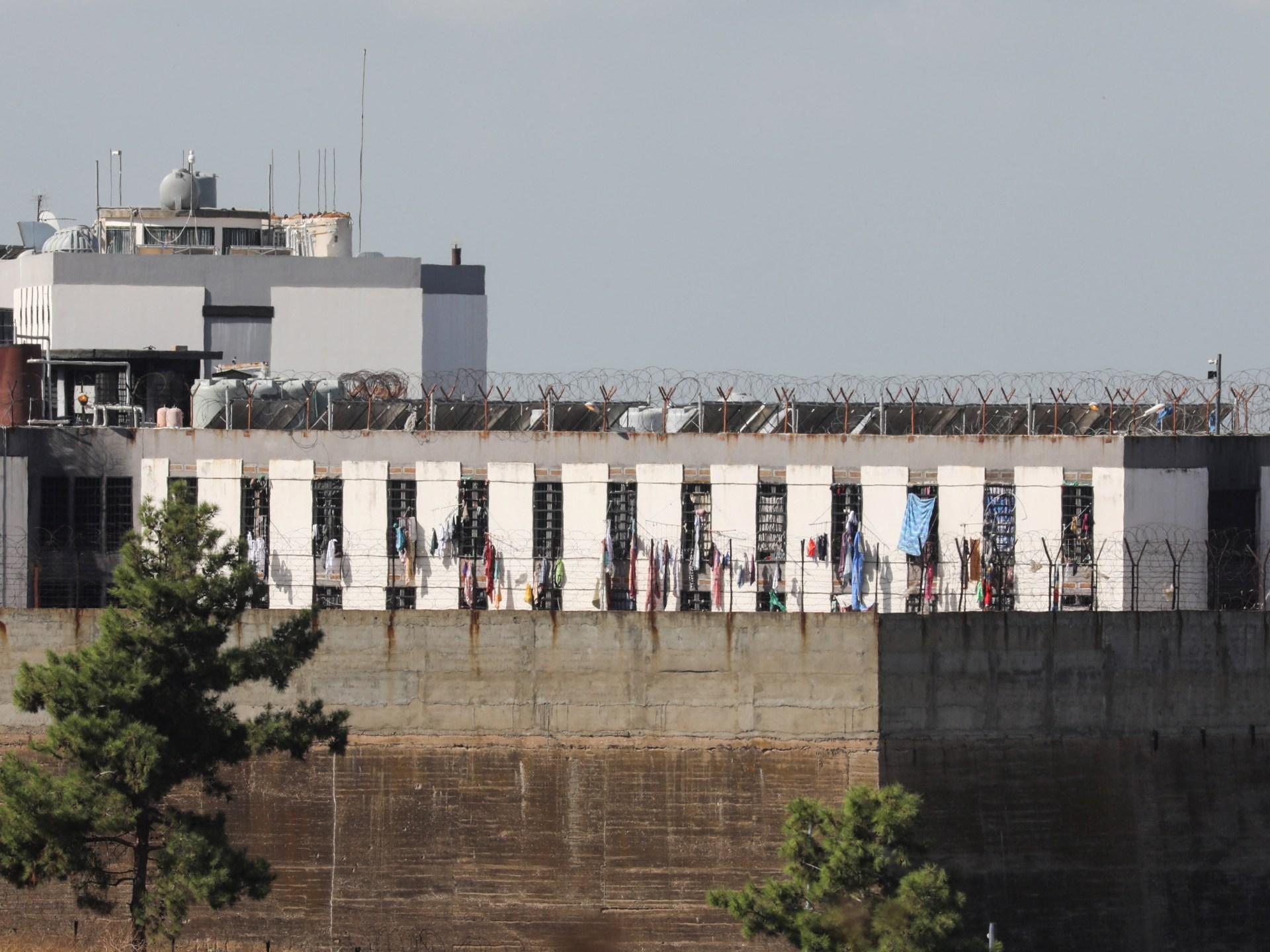
The situation of hundreds of prisoners who are on a hunger strike inside Roumieh prison in Lebanon is increasingly worrisome, as they refuse medical treatment and healthcare. A lawyer and human rights activist notes that approximately 400 prisoners in the prison have been on a hunger strike for 18 days, and most of them are in critical condition.
Jassim Saad Din, one of the prisoners detained for about ten years, told Al Jazeera that prisoners refuse to eat, drink, or take medicine. He added that most of the prisoners are Sunni and were detained for their solidarity with the Syrian revolution.
Jassim, who suffers from harsh detention conditions, explained that there are countries where people are not held for long periods without a verdict. He mentioned that prisoners are protesting the suspension of the general amnesty law that was approved in August last year and later suspended.
The suspension of the general amnesty law has increased political tension in the country, with some viewing it as reflecting sectarian and political tensions in Lebanon. Political groups aligned with the Syrian regime, such as Hezbollah, have objected to the law due to their opposition to releasing Sunni prisoners detained for supporting the Syrian revolution.
According to Joseph Macaron, an independent advisor and analyst specializing in the Middle East, the issue has become a complex sectarian matter. Macaron added that this measure reflects the sectarian and political tensions in the country, where each side is trying to achieve its own interests.
For his part, prisoner rights lawyer Mohammed Sablawi points out that Lebanese prisons are severely overcrowded, with the number of prisoners exceeding three times the capacity of the facilities. He added that many prisoners spend years behind bars without trial, exacerbating the problem.
Pressure is mounting on the Lebanese government to take immediate steps to improve prison conditions and work towards a fair and quick resolution of this issue, as the Constitutional Council is expected to issue a ruling on the matter soon.
Analysis & context
Analysis & Context
From an analytical perspective, the hunger strike by prisoners in Lebanon is a complex political and social issue. Independent advisor and Middle East specialist Joe Macaron views the hunger strike as reflecting a political and judicial crisis in the country. Macaron notes that the issue has become sectarian, with Hezbollah supporting the law from a sectarian perspective, while the Lebanese Forces oppose it. This tension reflects the challenges the Lebanese government faces in dealing with sectarian and political issues.
In a broader context, Lebanese prisons face severe overcrowding, with the number of prisoners exceeding the actual capacity by more than 330%. This overcrowding exacerbates problems such as trial delays and poor treatment, leading to prisoner deaths. Clearly, resolving this issue requires immediate government intervention to improve prison conditions and ensure the rights of prisoners.