Sourced fact
The News
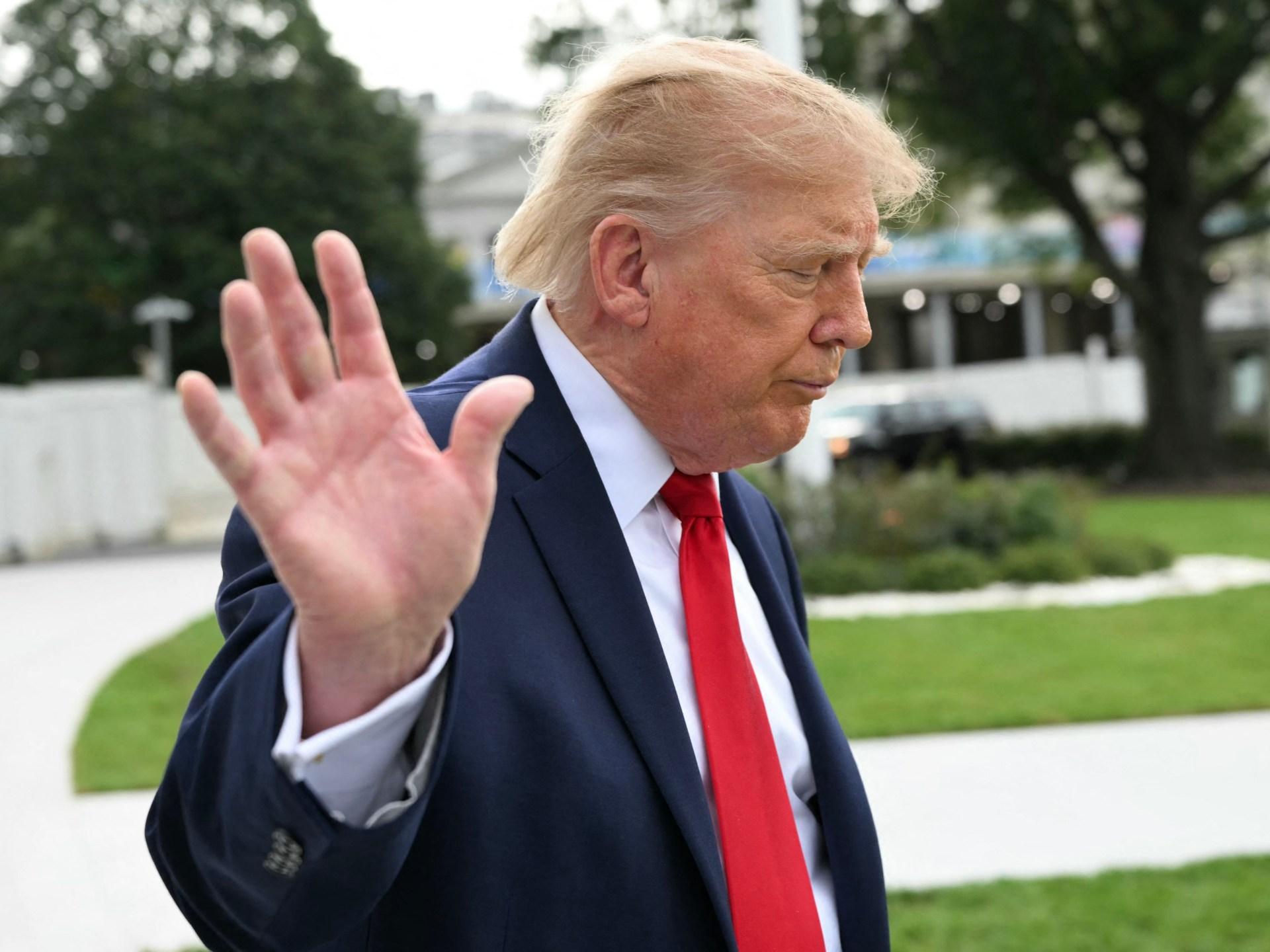
US President Donald Trump rejected Iran's plan to reopen the Strait of Hormuz within seven days, while Tehran insists that diplomacy is the only way to resolve the dispute between the two countries. Speaking to the media at the White House on Saturday, Trump said Iran wanted to strike a deal immediately to open the vital maritime passage "because it is losing badly." He added that despite his willingness for a deal, the Iranian plan submitted would not be acceptable because it demanded the US release frozen funds, cancel oil sanctions, and end the naval blockade of Iranian ports.
Iranian Foreign Minister Abbas Araghchi responded to the American rejection via a post on his Telegram channel on Saturday, affirming that Iran "will not stand" down from its demands until final opinions from intermediaries are delivered. Araghchi noted he had received no contact from intermediaries after Trump's initial response, considering that the US president has a history of contradictory statements. Iran expects to make its decision based on what intermediaries will convey, confirming that a negotiated solution is the only way to get the US out of this deadlock.
It appears Trump's rejection of the plan was anticipated by US officials who previously indicated his doubt about Tehran's ability to meet his requests. The Wall Street Journal revealed expectations of Trump launching another bombing campaign against Iran after the US midterm elections in November, while Al Jazeera correspondent Mike Hanna described the Iranian plan as "dead in the water." Hanna noted that Trump offered no alternative to the rejected plan, despite American public fears of the conflict turning into an endless war.
Iranian President Masoud Pezeshkian said on Saturday that Tehran had lost trust in the American side after previous rounds of negotiations ended with military strikes and new sanctions. Pezeshkian stated that Iran was not responsible for closing the strait, believing that the US closed the routes before them, and that reopening the strait for commercial shipping is possible only if negotiations succeed in ending the war. Previously, Araghchi met with Trump envoy Steve Witkoff to explain terms for a ceasefire including lifting oil sanctions and establishing a regional truce covering Lebanon and Yemen.
In an analysis of the plan, Ross Harrison from the Middle East Institute said the Iranian offer was primarily directed as a gesture of good faith to show willingness to negotiate before their domestic and American audiences. He added that Iran's leaders were not surprised by Trump's rejection because the plan resembled the failed document signed in June which Tehran believes Washington reneged on. Sources confirm that closing the strait since February 28 severely impacted global shipping, while the US responded with an economic blockade and threats of secondary sanctions pushing countries like the UAE, Iraq, and Oman to cancel their flights.
Analysis & context
Analysis & Context
From an analytical perspective, Iran's proposal appears to have "died in the water" as described by Al Jazeera correspondent Mike Hanna, since Trump offered no clear alternative despite hinting at a willingness to negotiate. This stance indicates the US remains in a state of strategic ambiguity amid American public fears that the Iranian conflict could turn into an endless war.
In the broader context, Iran closed the Strait of Hormuz, a vital artery for global oil supplies, following the outbreak of war between the US and Israel on February 28, significantly restricting shipping movement. The US followed up with an economic blockade and threats of secondary sanctions against companies working with Iranian airlines, prompting the UAE, Iraq, and Oman to cancel their flights.
On another front, Iranian President Masoud Pezeshkian expressed Tehran's lack of trust in the American side after previous negotiation rounds ended with military strikes and new sanctions. The Iranian official denied responsibility for closing the strait, arguing that the US closed the routes first, and confirmed that reopening the maritime corridor would be achieved only if negotiations succeed in ending the war.
Analysts also point out that Iran's plan was primarily aimed as a gesture of good faith to demonstrate readiness to talk and negotiate, which is important for both Iranian and American audiences. It seems Iran's leaders anticipated Trump's rejection from the start because their proposal resembled the failed June document which Tehran believes Washington weakened.