Sourced fact
The News
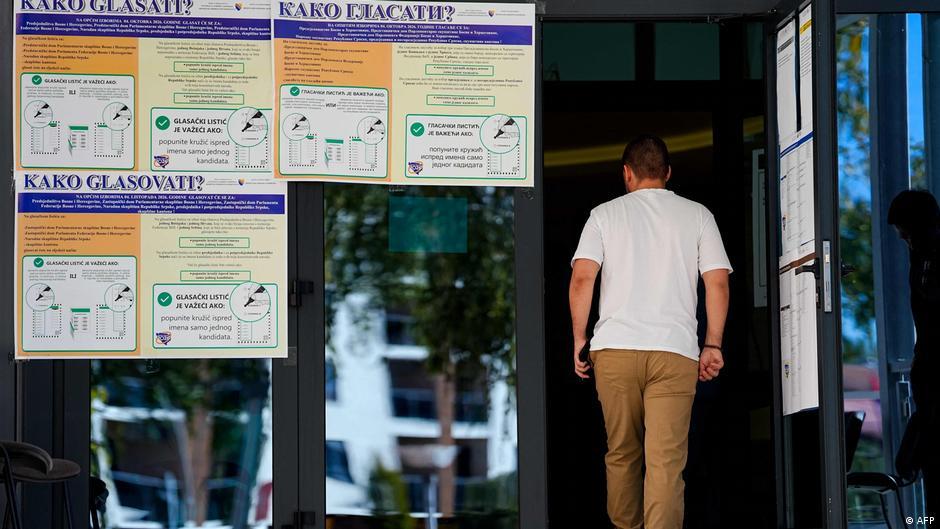
Bosnia and Herzegovina held parliamentary elections on October 4th, employing new technologies to prevent vote manipulation, but the results remained traditional. Voter turnout dropped to just 40%, the lowest since the end of the Bosnian War in 1995. Fingerprints were used at every polling station to confirm voter identity, reducing opportunities for fraud. However, the traditional political forces emerged victorious, with the three main national parties winning in their respective regions.
Zeljka Cvijanovic, the Bosnian Presidency member representing the Serbs, stated, "The results confirm we are returning to the original Dayton Agreement." This outcome underscores the continued dominance of traditional nationalist parties in Bosnia and Herzegovina. The SNSD, led by Milorad Dodik, won a majority in the Republika Srpska, the Serb-majority region, while the SDA, led by Denis Zvizdic, won a majority in the Bosniak-majority region.
These results led to the formation of the Presidency from members of the three national parties, signaling the continuation of the traditional approach in Bosnian politics. Although new voting technologies succeeded in curbing fraud, the core political issues remained unchanged. Denis Zvizdic, the leader of the SDP, said, "The message to the European Union: Help Bosnia. Let the will of the people become the law."
These elections represent a significant step towards enhancing political stability in Bosnia and Herzegovina, but they did not alter the existing political reality. Nationalist parties remained the dominant force in the country, indicating the persistence of the traditional approach in Bosnian politics.
Analysis & context
Analysis & Context
From an analytical perspective, the recent elections in Bosnia highlight the continued dominance of nationalist parties in the political landscape, despite efforts to improve the voting process. In a broader context, Bosnia faces significant challenges in achieving stability and economic development, particularly with ongoing political and social tensions.
Historically, this situation stems from the Dayton Agreement that ended the Bosnian War in 1995, establishing a complex governance system dividing the country into separate administrative councils. This system hinders national unity and shared development.
Regionally, Bosnia also faces pressures from the European Union, the United States, and Russia, further complicating internal politics. Clearly, Bosnia needs fundamental changes in its political system to ensure stability and sustainable development.