Sourced fact
The News
The Social Democratic Independent Coalition (SNSD), led by Bosnian Serb minority leader Milorad Dodik, has won the general elections in Bosnia and Herzegovina, strengthening the influence of his party despite its ban from political participation. Preliminary results show that Zeljka Cvijanovic, who leads the Social Democratic Independent Coalition, will secure the Serb seat in the Presidency of Bosnia and Herzegovina.
Dodik, in his speech to supporters, affirmed his commitment to maintaining current policies, stating: "No one should ask us to change our policies." He also expressed support for Donald Trump's victory in the 2024 US elections and thanked Vladimir Putin for his continued support.
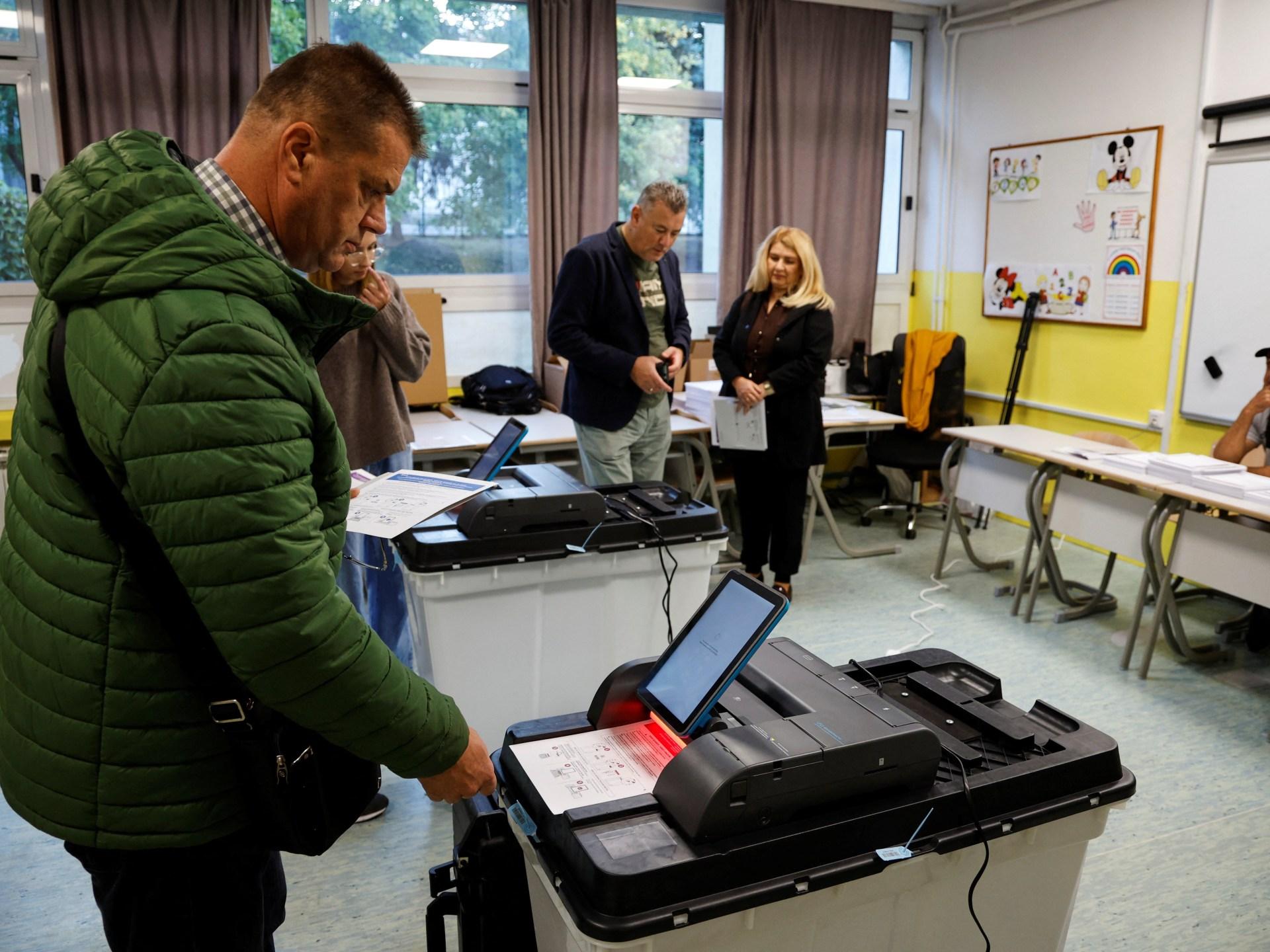
Meanwhile, Denis Zvizdic, from the Social Democrats, retains the lead in the Bosniak presidency race, while Drazen Jukic from the Croatian Democratic Union leads for the Croat presidency. Despite the use of new electronic tools for vote verification and identity confirmation, some activists believe these measures will not alter the status quo in the country.
In context, Adi Salaman from Cartoon Revolution group pointed out that the choices available to citizens do not go beyond parties that have existed for three decades, which rely on a war rhetoric and existing tensions. Salaman added: "Bosnia and Herzegovina is a dead country, an impossible state."
On the other hand, Zvizdic, the incumbent Bosniak president, is aiming to renew the path towards joining the European Union and NATO. The EU granted Bosnia and Herzegovina candidate status in December 2022, but negotiations scheduled for 2024 were postponed due to the EU's demands for implementing anti-corruption laws and improving the judicial system in the country.
Analysis & context
Analysis & Context
Analytically, the election results in Bosnia and Herzegovina reflect a continuation of the political and national tensions that have plagued the country since the Bosnian War. The right-wing Independent Social Democratic Coalition (SNSD), under Dodik's leadership, maintains its strong influence despite its ban, indicating that national issues and political divisions still dominate the country's political landscape.
In a broader context, Bosnia and Herzegovina faces significant challenges on its path towards EU accession. The EU granted Bosnia and Herzegovina candidate status in December 2022, but negotiations scheduled for 2024 were postponed due to the EU's demands for implementing anti-corruption laws and updating the judicial system. This delay reflects the difficulties Bosnia and Herzegovina faces in overcoming the political and legal issues that impede its progress towards EU membership.