Sourced fact
The News
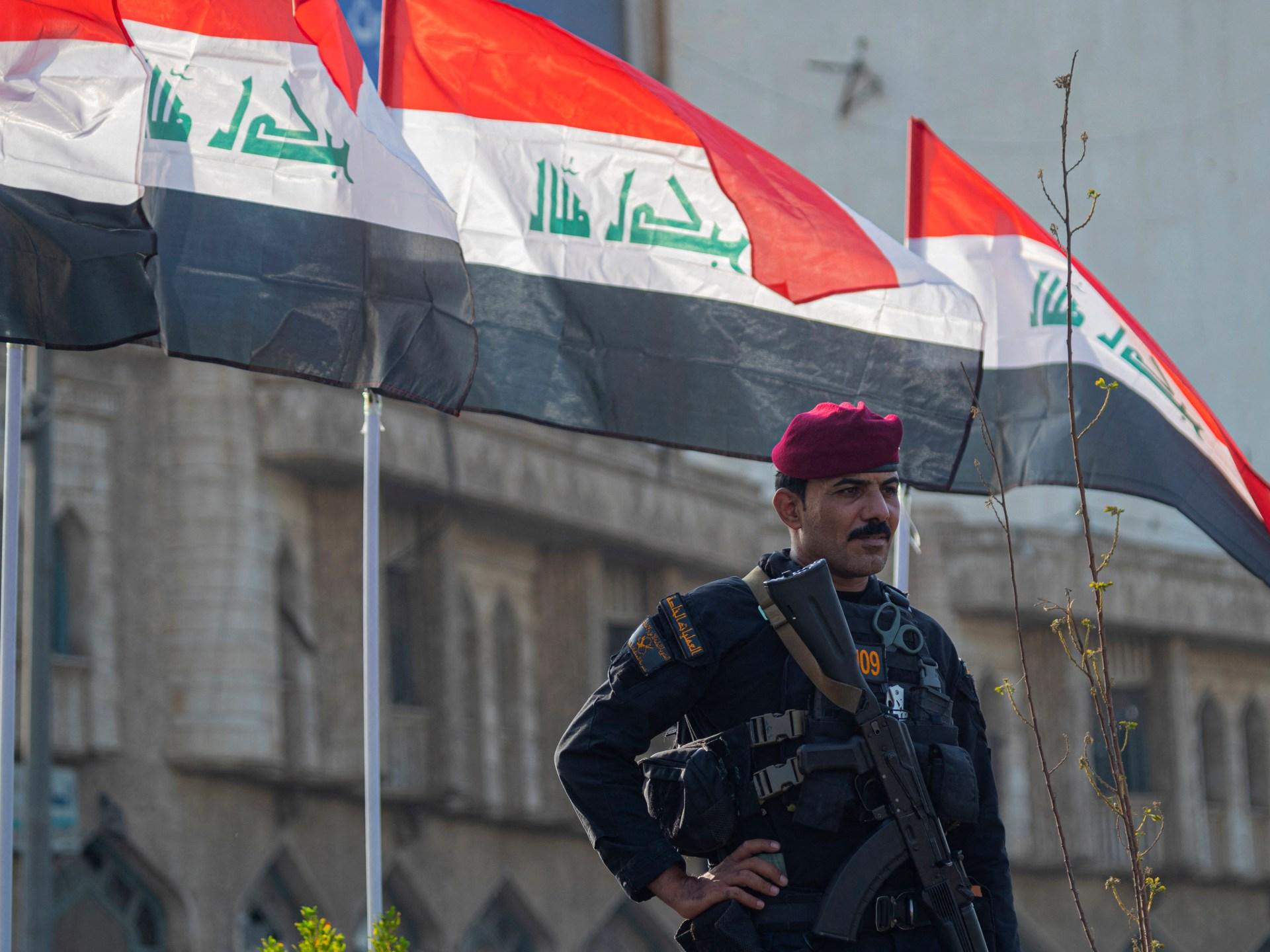
The last American soldiers have withdrawn from Iraq, marking the end of a nearly two-decade-long military presence. This withdrawal is part of Prime Minister Ala Al-Zaidawi's plan to reassert state authority in Iraq. In this context, Al-Zaidawi aims to disarm militias by June 2027, including Iran-backed militias that have launched attacks in the region.
During his speech at the United Nations General Assembly last week, Al-Zaidawi stated that his government seeks to be the ultimate decision-maker in matters of war and peace, and that weapons and combat means remain in the hands of constitutional institutions. He also noted that the end of the mission of the international coalition in Iraq opens a new phase in relations with strategic partners, transcending military cooperation for economic and developmental cooperation.
According to Douglas Selman, former U.S. ambassador to Iraq and Qatar, Al-Zaidawi's plan aims to "weaken Iran-backed militias politically." Selman mentioned that Iran-backed militias may refuse to surrender their weapons, leaving an opportunity for Iran to expand its influence in Iraq. He added that this move could lead to potential clashes between militias and the Iraqi government.
In this context, Iraq faces new security challenges with the withdrawal of U.S. forces. Although the country has been relatively stable since the defeat of the Islamic State in 2017, the presence of U.S. forces has served as a shield against Iranian interference in Iraqi affairs. Now, with the withdrawal of U.S. forces, some Iraqi officials fear that their country may become a potential target for the United States or Israel.
According to Renad Mansour from Chatham House, Iran-backed militias will continue to work against U.S. interests in the region. However, Al-Zaidawi is seeking assurances by delaying the deadline for rearming to June 2027, providing a period of temporary calm after the withdrawal.
Security challenges remain, as Iraq must deal with threats such as sleeper cells of the Islamic State and shifts in the regional situation. Mohamed Saleh, an expert in Iraqi affairs, views the security situation in Iraq as potentially more complex in the future, with possibilities for escalation in regional conflicts.
Analysis & context
Analysis & Context
From an analytical perspective, the withdrawal of U.S. forces represents a significant shift in Iraq's foreign policy. Al-Zaidawi aims to reduce Iranian influence in Iraq by reasserting Iraqi state authority. However, experts warn that this may open the door to new tensions between the United States and Iran. As Douglas Selman, former U.S. ambassador to Iraq, notes, this decision may weaken Iran-backed militias politically in Iraq. In the broader context, Iraq faces increasing security challenges from groups such as the Islamic State, underscoring the importance of security cooperation between Iraq and the United States.