Sourced fact
The News
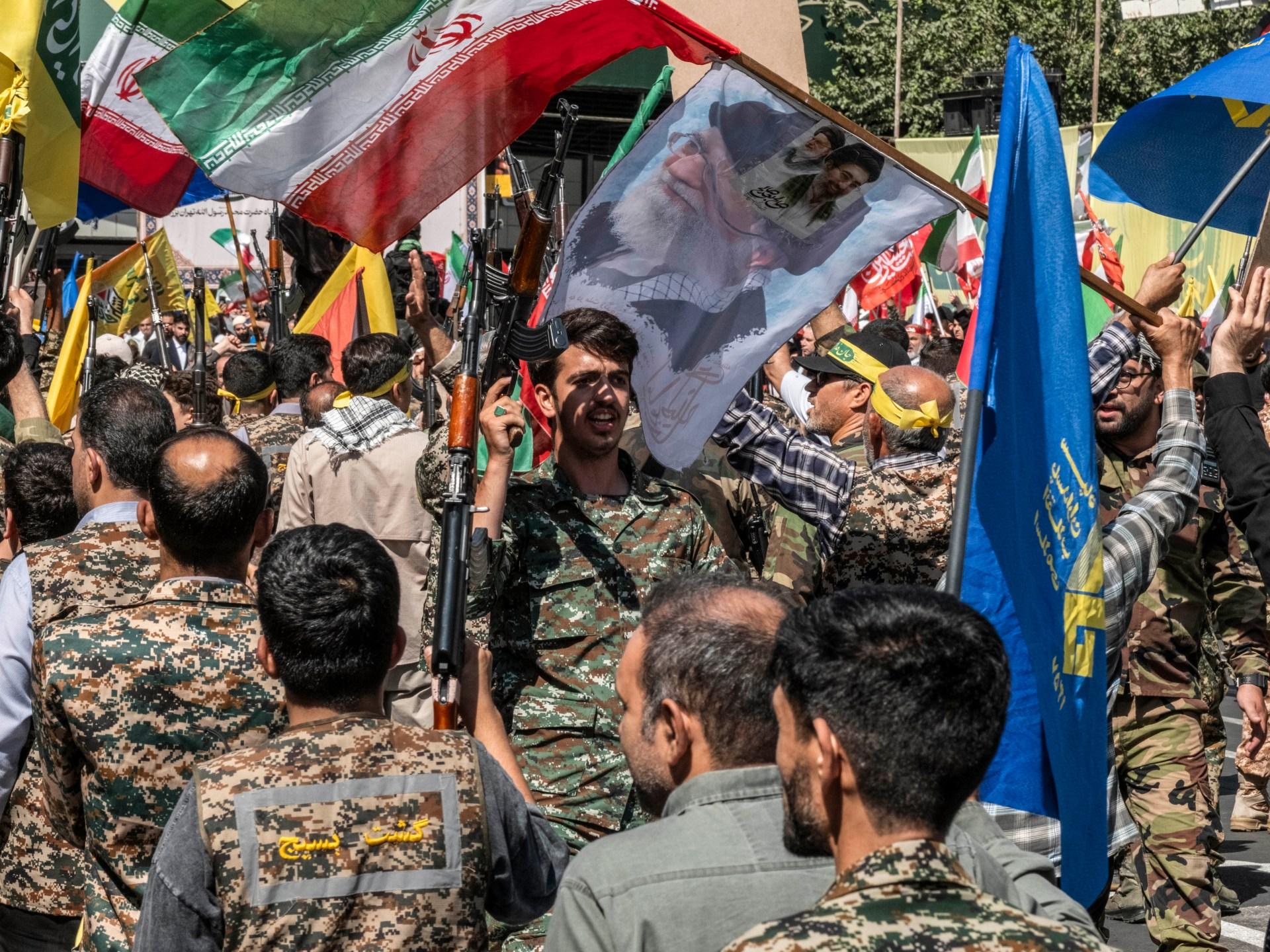
The Iranian Central Military Command announced on Sunday that it has received information indicating that the United States is preparing to resume its attacks on the country, thereby opening the door for a new round of confrontations after months of a decline in direct strikes. A spokesperson for the command clarified that any renewed US attack would lead to retaliation against US bases and interests in the region, while warning regional states against aiding the United States.
Iranian officials stated that any country allowing its territory or facilities to be used to support US attacks would be considered an accomplice and could face Iranian retaliation. In contrast, US President Donald Trump told Fox News he is in a "decision-making" posture regarding Iran, pointing to options including military action, economic pressure, or reaching an agreement.
Trump also expressed openness to meeting with Iranian President Masoud Pezeshkian at the margin of the UN General Assembly in New York this week, while Iranian Foreign Minister Abbas Araghchi left Tehran on Sunday evening for New York after a brief stopover in Qatar. In the Iranian parliament, Speaker Mohammad Baqer Qalibaf called on Tehran to use military force to deter opposition before resorting to diplomacy to achieve its gains.
Iranian officials indicated that conditions for resuming talks include stopping the war and US attacks, releasing frozen Iranian funds, and lifting the US naval blockade on ports. Qalibaf also confirmed that the Strait of Hormuz would remain closed until Washington fulfills its obligations under previous agreements.
Al Jazeera correspondent Tawhid Asadi from Tehran noted that Iranian officials are sending a dual message aimed at keeping diplomatic doors open while preparing for further fighting. On his part, Majed Al-Ansari, spokesperson for the Qatari Ministry of Foreign Affairs, stated that Doha received assurances from US officials regarding Washington's desire to reach an agreement.
The Strait of Hormuz, which connects the Persian Gulf with the Arabian Sea, is facing significant disruptions. Shipping data showed only 12 cargo ships passed through the strait during the weekend compared to 35 in the previous week. The war began in late February after joint Israeli-US strikes on Iran, while a 60-day memorandum agreed upon in June ended last month with an increase in attacks around Hormuz.
Analysis & context
Analysis & Context
From an analytical perspective, Iranian officials are sending a deep dual message indicating their continued openness to diplomacy while simultaneously preparing militarily for any potential US attack. This approach reflects a "deterrence strategy" that relies on displaying military strength as a first line of defense, while leaving the door open for negotiations if specific conditions, such as the cessation of US attacks, are met.
In the broader context, the conflict continues to severely impact the Strait of Hormuz, a narrow waterway connecting the Persian Gulf with the Arabian Sea and considered a vital artery for global energy transport. Shipping data revealed a decline in commercial vessels transiting the strait to just 12 ships during last weekend compared to 35 ships in the previous week, indicating a deterioration of the security situation in the region.
The war began in late February following joint US-Israeli strikes on Iran. A 60-day memorandum reached in June reduced comprehensive fighting but ended last month with an escalation of attacks around Hormuz. Republican strategist Mark Pavelle confirms that the two countries are "locked in a frozen conflict," each trying to increase pressure before any potential diplomatic talks surrounding the UN gathering.
Qatar plays the main mediator role between the two sides, where Qatari officials state that their representatives travel between capitals to exchange proposals aimed at restarting negotiations. The Qatari Ministry of Foreign Affairs confirmed that Doha received assurances from US officials that Washington desires to reach an agreement, reflecting the importance of the regional and international role in attempting to contain potential military escalation.