Sourced fact
The News
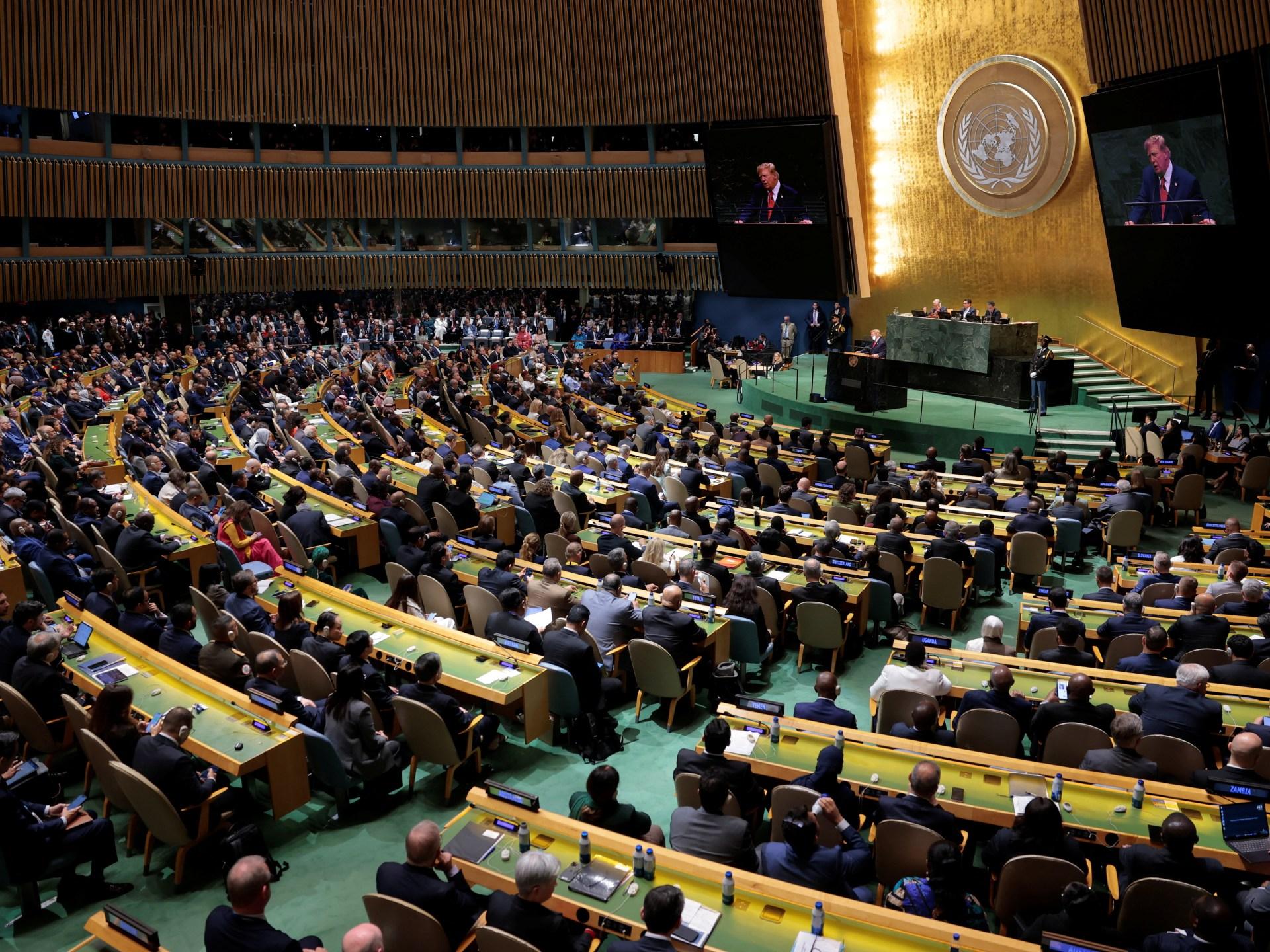
The 81st session of the UN General Assembly focused on the issue of Africa's permanent representation in the Security Council, with leaders renewing calls for fundamental reform of this structure, which has remained unchanged since 1945. In his closing address on Tuesday, UN Secretary-General António Guterres urged making the Council more representative and reflective of current geopolitical realities.
Nigerian Vice President Kashim Shettima, delivering a national statement on behalf of President Bola Tinubu, called for at least two permanent seats for Africa with veto power as long as the current system remains in place, alongside five non-permanent seats. Ghanaian President John Mahama also called for reform, emphasizing that this step is not a privilege but a necessity for the legitimacy, credibility, and survival of the United Nations itself.
The Security Council consists of 15 members: five permanent ones—China, France, Russia, the United Kingdom, and the United States—and ten non-permanent members elected for two-year terms. The permanent members hold veto power, allowing any one of them to reject any substantive decision. Despite no African nation holding a permanent seat, Africa remains central to the Council's work; in 2025, 18 out of 24 decisions adopted under Chapter VII concerned issues related to Africa.
Professor Ibrahim Gambari, Nigeria's former ambassador to the UN, noted that the current situation is resistant to change and that permanent members are unwilling to relinquish their unearned privileges. He argued that Africa's absence cannot be justified given the continent's size and the volume of security matters pertaining to it, viewing the lack of permanent representation as a significant imbalance.
The reform process, launched in 2008, faces major hurdles requiring amendments to the UN Charter under Article 108, which demands approval by two-thirds of the General Assembly and all five permanent members. Nigeria specifically aims to secure a permanent seat to enhance its global diplomatic influence and role as a medium-sized regional power, while the African Union opposes singling out specific countries without allowing the continent a say in selecting its representatives.
The veto remains a primary obstacle; the African Union's Iszolweni consensus calls for new members to receive equal rights, including veto power, as long as the current system persists. Gambari also highlighted that Africa's absence affects the Council's daily operations, such as peacekeeping missions currently not led by Africans, thereby weakening the trust of conflicting parties in these forces.
Nigerian activist Favour Aniezi added that Africa's absence from permanent seats means its voice is missing in shaping decisions affecting its continent. She emphasized that representation alone is insufficient; there must be a substantive role with real weight influencing what happens inside the Council chamber.
Analysis & context
Analysis & Context
From an analytical perspective, Africa's demand for permanent seats is not merely a geographical issue but matters of representational justice within a global system unchanged since its establishment in 1945. This prolonged stagnation in the reform process, which began with intergovernmental negotiations in 2008, reflects the difficulty of persuading the five permanent members to relinquish their extraordinary privileges, including veto power that grants them significant control over global security and military decisions.
In a broader context, the importance of this demand emerges amid current strategic competition reshaping international power balances, as countries like Nigeria, Egypt, and South Africa seek to enhance their diplomatic and security influence. Experts argue that granting permanent seats without equality in rights and privileges will not resolve the imbalance Africa seeks to correct, making the veto question a critical debate point that could hinder or facilitate final reform efforts.
Moreover, the lack of genuine African representation affects the Council's daily operations, as decisions concerning the continent are often drafted by permanent members without effective participation from elected African states. This reality raises questions about the credibility of peacekeeping operations led by non-local missions in African conflict zones, strengthening activists' arguments that Africa's voice must carry real weight in crafting solutions rather than just having a token presence at the negotiating table.