Sourced fact
The News
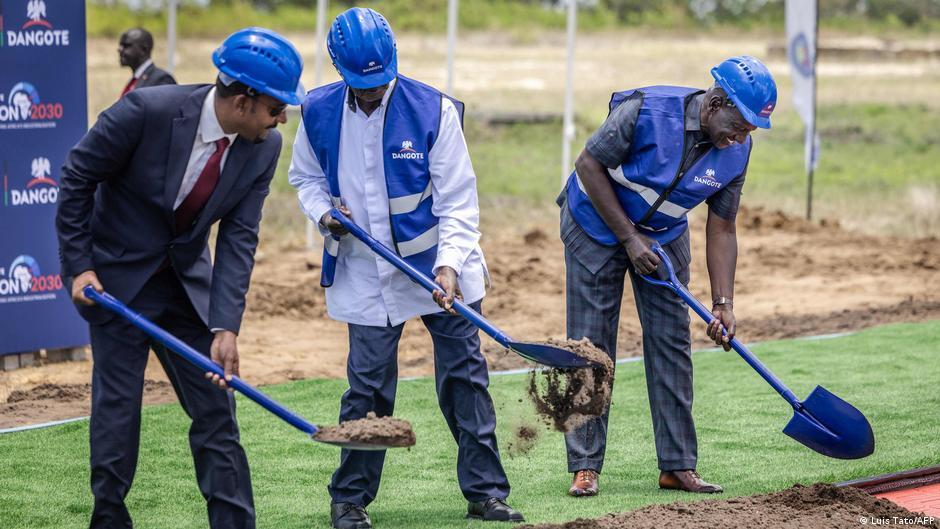
African leaders announced on Wednesday the start of the construction phase for the massive DanGitie oil refinery in Kenya, estimated to cost $16 billion. The project, expected to be completed within 40 months, will process approximately 700,000 barrels of oil daily. The occasion was celebrated in the coastal city of Lamu in the presence of Kenyan President William Ruto, Ugandan President Yoweri Museveni, and Ethiopian Prime Minister Abiy Ahmed. President Ruto stated on social media that the project would contribute to regional energy security, reduce dependence on imports, and bolster foreign exchange reserves.
Africa's richest man, Aliko Dangote, confirmed that the project would contribute to East Africa's self-sufficiency by reducing imported refined fuel. Dangote said in his speech that the continent "has been rich in resources but poor in adding value," leading to the export of crude oil and importing refined fuel products from abroad. He noted that this approach leads to exporting jobs and opportunities abroad and importing poverty into African nations.
However, the project faces challenges from environmental defenders who fear that it may harm the historic city of Lamu, a UNESCO World Heritage site, as well as the sensitive and unique marine ecosystem in the area. Residents of Lamu have also filed a lawsuit against the project, demanding their rights to land they consider their ancestral heritage. Nevertheless, the Kenyan High Court has issued a ruling allowing the celebration of the project's commencement to proceed despite ongoing legal challenges.
Analysis & context
Analysis & Context
Analytically, the Dangote refinery project represents a strategically important step towards enhancing economic independence in East Africa. The project will contribute to reducing dependence on imported refined fuel, creating local employment opportunities, and supporting economic growth. Additionally, it contributes to diversifying the African economy by adding value to natural resources.
In a broader context, the project faces environmental and legal challenges related to preserving the sensitive marine ecosystem in Lamu. These challenges highlight the balance between economic development and environmental conservation in developing countries. Legal challenges also underscore the importance of respecting the rights of local populations in the decision-making process for major projects.
It is worth noting that the project is part of larger efforts by Africa to enhance economic sovereignty and self-reliance. By developing local infrastructure, the continent can achieve its goals of sustainable development and economic prosperity.