Sourced fact
The News
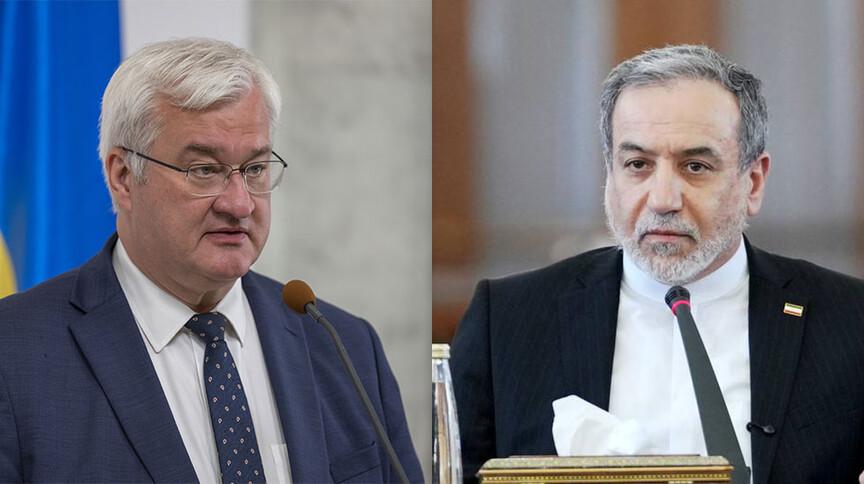
Ukrainian Foreign Minister Andriy Sybha announced today that he successfully held important diplomatic talks with his Iranian counterpart Abbas Araghchi on the sidelines of the 81st session of the UN General Assembly in New York. These meetings, which took place on Wednesday, focused on the necessity of taking reciprocal steps to prevent any new escalation of tensions between the two countries, especially given the complex current geopolitical conditions.
In a statement published on the American company's "X" platform, Sybha said that direct dialogue is the essence of diplomacy even in the hardest times, noting that discussions in New York specifically focused on joint steps to avoid exacerbating tensions between Ukraine and Iran. These talks come as a natural follow-up to a previous phone call between the two ministers last July, during which Kyiv expressed a clear desire to avoid any unnecessary escalation with Tehran.
During the meeting, it was emphasized that existing communication channels must remain open, while both parties exchanged views on the current situation in the Middle East and Europe, as well as discussed pathways for ongoing peace efforts. Sybha reiterated Ukraine's position supporting the restoration of peace and stability in its two regions as soon as possible, confirming that Ukrainian hands aim exclusively to defend the country from Russian aggression without targeting ships or civilians.
Analysis & context
Analysis & Context
From an analytical perspective, this meeting represents a serious attempt by Kyiv to put an end to the ongoing controversy surrounding attacks on Iranian commercial vessels in the Caspian Sea, where Ukraine denied intentionally carrying out these attacks and confirmed they targeted only military objectives linked to Iran. This position is part of a broader Ukrainian strategy aimed at isolating Russia internationally and reducing its influence on neighbors without entering into direct conflicts with other parties such as Iran.
In the broader context, these talks reflect the sensitivity of relations between the Middle East and Europe, as concerned parties seek to manage tensions resulting from the Russian-Ukrainian war that has extended to affect the security of the entire region. Emphasizing that commercial ships are not targeted reflects an international desire to maintain freedom of navigation and prevent the local conflict from turning into a regional crisis that could threaten the stability of global energy and food markets.
Moreover, the continuation of dialogue despite challenges indicates that diplomacy remains an effective tool for resolving crises even in the absence of comprehensive peace agreements, as actors seek to build gradual mutual trust. This step also comes as a clear signal that the international community is closely watching any developments that could lead to new military escalation between major regional countries.